
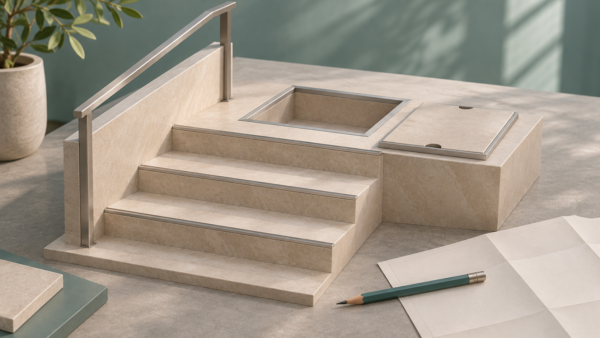
Planning Maintenance Access for Compact Hidden Lifts
Plan maintenance access for compact hidden platform lifts, checking panel fixings, service hatches and structural interfaces before the surrounding building details are settled.
A high-level guide to how Sesame turns real-world accessibility project insights into structured policies, Knowledge Hub content and shared industry guidance.
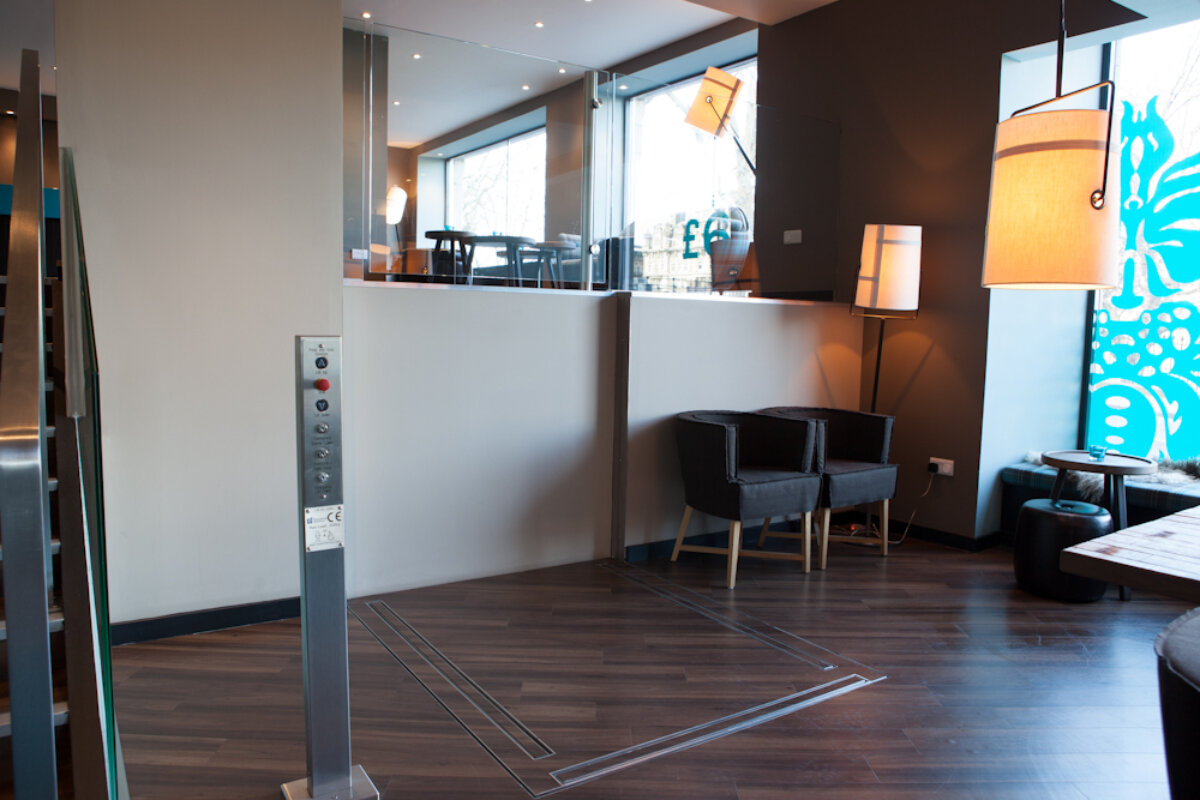
Capturing knowledge from bespoke accessibility projects is essential for improving design coordination, risk management and long-term user experience. Every heritage site, public building and contemporary environment presents new challenges that contribute to Sesame Access’s growing expertise.
To support architects, consultants and lift engineers, Sesame has developed a high-level framework for documenting lessons learned and turning them into practical, people-first guidance. This article explains the general philosophy behind that process: how Sesame identifies what matters, organises insights and shares them in a way that benefits the wider built environment.
This approach mirrors the structured thinking used in products such as the Buckingham Listed Building Lift, the Pimlico Lift, and the Westminster Equality Act Lift.
Architects and consultants frequently search for guidance on how to capture accessibility project knowledge, how to avoid coordination delays and how to solve design-build challenges in heritage buildings. The internal meeting transcript that inspired this article highlighted the same theme: valuable information is often scattered across emails, drawings, meetings and site interactions.
A structured, repeatable framework helps Sesame and its industry partners:
This thinking aligns with other Sesame articles, such as Legacy BOM Process Improvement and Issues Raised: Drawing Delivery, which explore how structured methods reduce uncertainty and protect build quality.
The following system is deliberately high-level. It reflects how Sesame creates a process, not the internal details of that process.
Each step is a generalised principle designed to support clarity, consistency and continuous improvement.
Sesame examines real-world material from heritage, public and private sector installations to understand where challenges typically arise. This may include:
Mini-example:
If engineers observed delays caused by unclear drawing revisions, that insight becomes a trigger to improve communication guidance (as explored in the Issues-raised-drawing-delivery article).
This approach ensures that every installation contributes to a growing knowledge ecosystem.
Rather than focusing on tools or systems, Sesame prioritises clarity. Insights are organised into categories such as:
Mini-example:
If a heritage project required unusual sequencing to protect listed fabric, the lesson becomes part of more general guidance on solving coordination challenges in heritage buildings.
Structured categorisation prevents important learning from being lost.
Once lessons are identified and properly organised, Sesame converts them into:
This article itself is an example of that transformation: taking a planning discussion and turning it into a reusable model for industry audiences.
Related internal processes such as Legacy BOM Process Improvement demonstrate how structured documentation supports repeatable quality across engineering workflows.
Sesame believes that sharing insights improves accessibility outcomes beyond any individual project. This includes:
Architects and consultants benefit from clearer knowledge while avoiding project-specific disclosure.
To support deeper reading, Sesame also links to content covering lessons learned on complex accessibility projects, ensuring full navigational structure across the Knowledge Hub.
The final principle is refinement. Every lift installation provides insight for the next one. Sesame reviews what was learned, identifies emerging patterns and feeds that thinking back into future guidance.
Mini-example:
If customer training revealed recurring user questions, future design guidance may include clearer information about operating sequences or interface layout.
This cyclical improvement strengthens Sesame’s role as a policy-building organisation with deep experience in accessible engineering.
This guidance was developed by the Sesame Access Engineering Team, drawing on experience from over 400 bespoke accessibility lift installations across the UK and internationally.
To help architects, consultants and lift engineers understand how Sesame develops clear, structured guidance based on real project learning.
No. This article explains the philosophy, not the internal systems or private workflows.
Structured learning helps clarify the recurring coordination challenges unique to heritage settings, improving design alignment and installation outcomes.
Yes. Many lessons apply across public buildings, commercial environments and contemporary architecture.
Yes. Lessons from new installations and engineering improvements are continuously incorporated.
If you’d like to discuss an upcoming accessibility project or explore how this knowledge framework can support your team, you can book a meeting with a Sesame Project Manager:
https://www.sesameaccess.com/book-a-meeting
Plan maintenance access for compact hidden platform lifts, checking panel fixings, service hatches and structural interfaces before the surrounding building details are settled.
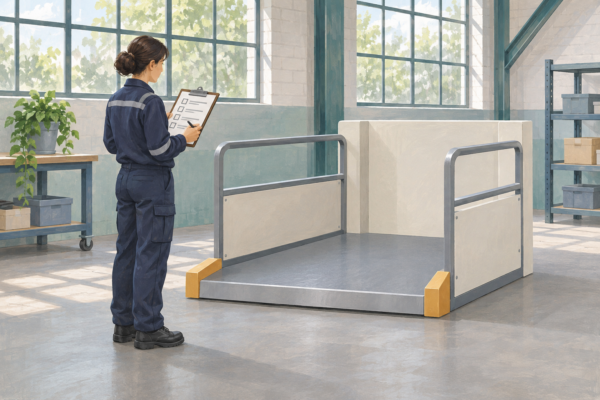
Before a bespoke platform lift leaves the factory, agree what to witness, record assembly and function checks, and assign any checks that depend on installation.

A practical guide to deciding when bespoke platform lifts can share a bracket, with checks for movement, tolerances, service access and drawing revisions.