
How to Assess a Traversing Lift Before Specifying It
Assess a traversing lift through its complete user journey, site constraints and documented operating arrangements before choosing a system for a sensitive entrance.
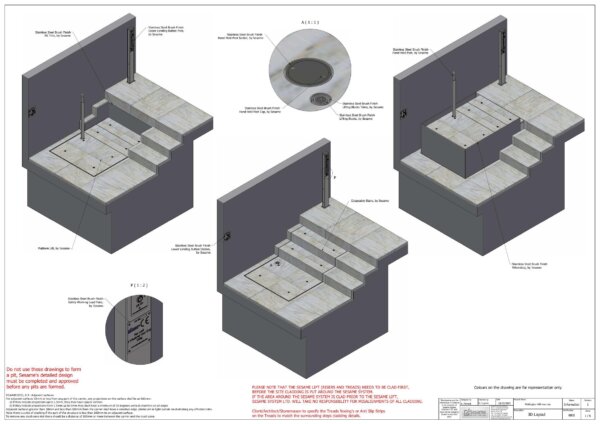
Before forming a traversing lift pit, coordinate stair geometry, structural loads, landing support, drainage and services against the correct site-specific drawings.

Pitless lift design involves more than removing a pit. Explore how width, approach ramps, protective equipment and maintenance access shape the complete installation.

How councils can explore platform lift access around historic seating, tight doorways and restricted floor space, with a feasibility process focused on participation.
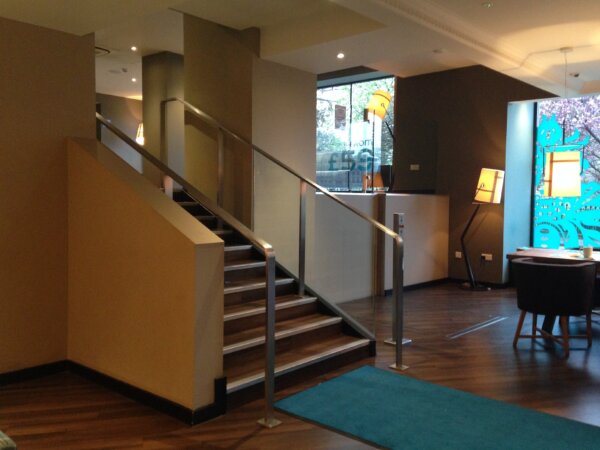
How a site survey can reopen platform lift barrier choices, with practical checks for removable railings, automatic gates, pit depth and the complete user journey.

A technical insight into Sesame Access’s Wellington Low-Profile Lift redesign, focused on pit depth reduction, scissor-lift engineering, and simplified mechanics.
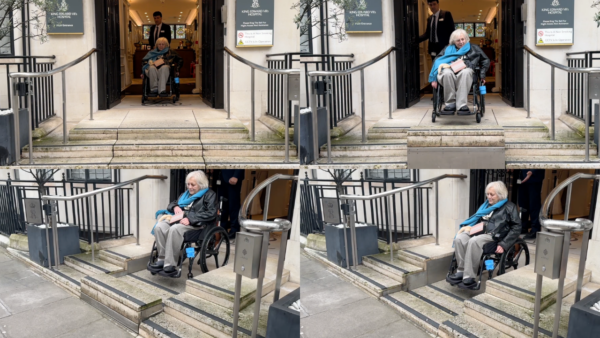
How architects can compare independent-step and full-stair platform lifts when a basement walkway, doorway or service area below must remain usable.
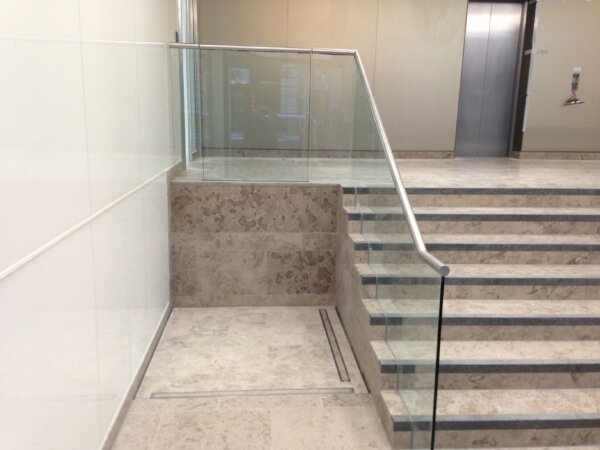
As a bellows-equipped platform lift travels, its changing volume displaces air. In a confined liftway this can affect pressure and bellows movement, so the air paths and building interfaces should be assessed for the specific project during design.
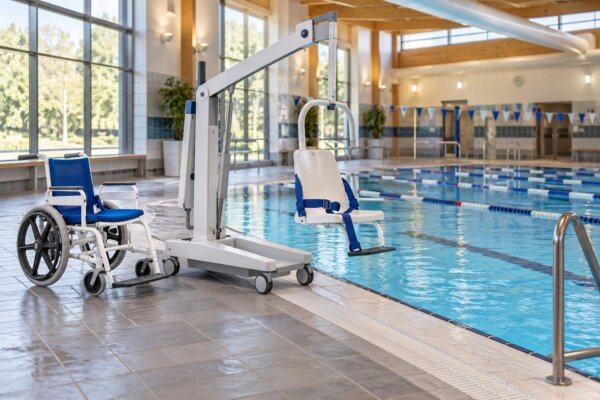
A real Sesame engineering review shows how several accessible swimming-pool concepts were tested against safety, user independence and market fit—and why the responsible decision was not to build another product.
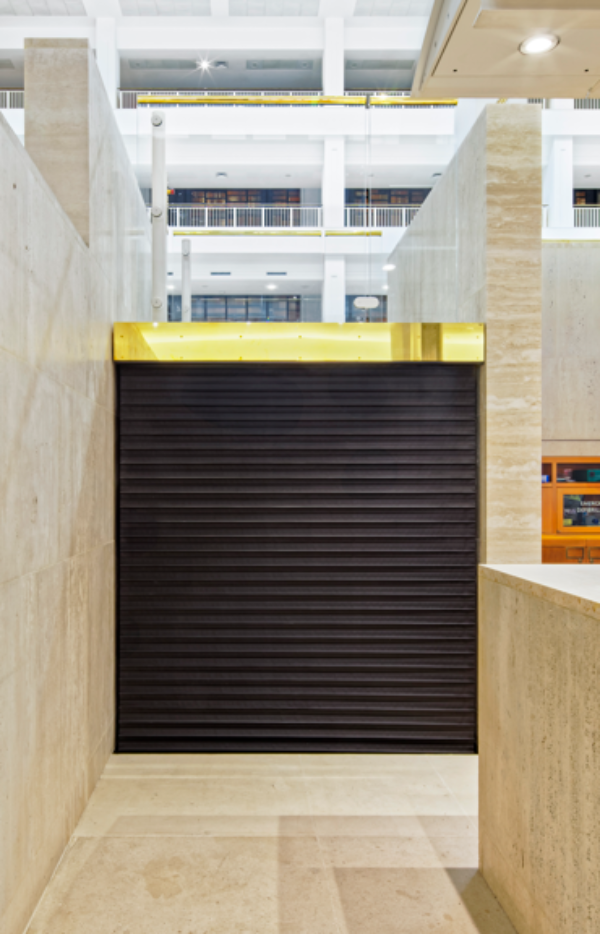
How a hidden platform lift was selected for a Budapest heritage entrance - standards, pit/drainage strategy, access, and Hungary’s post-installation permit route.