
Key Takeaways
-
Bespoke button posts integrate lift and door controls into a single, space-efficient unit.
-
Correct placement, wiring, and accessibility dimensions are essential for compliance.
-
The solution offers a balance between architectural design and inclusive access.
Introduction
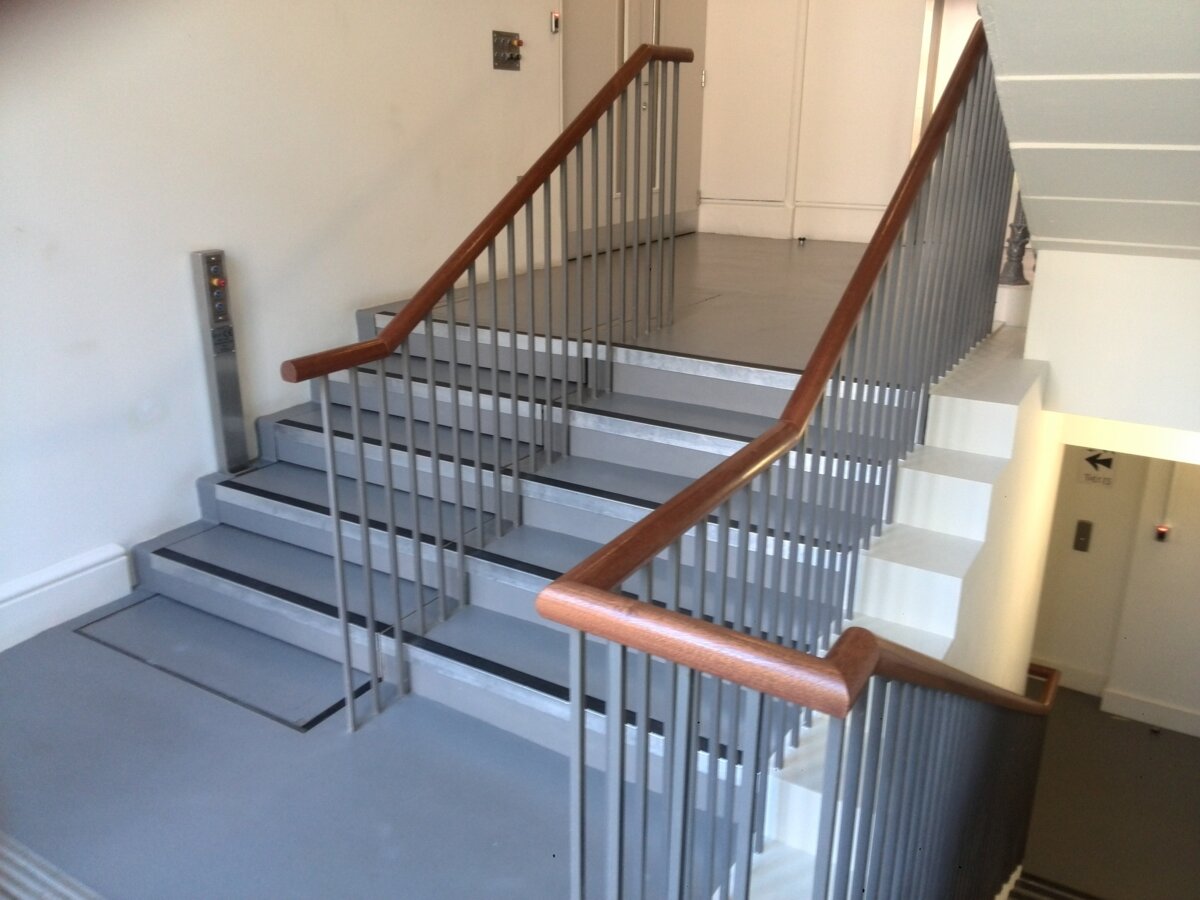
Many architects and contractors struggle to integrate multiple accessibility controls, such as lift and automated door buttons, without cluttering sensitive or heritage interiors. A bespoke button post design offers a practical and elegant solution. In a recent civic building installation, our engineering team developed a single stainless-steel post that combined both lift and door automation controls while maintaining Part M and BS 8300 accessibility standards.
Why Combine Lift and Door Controls in a Single Post?
In projects where aesthetics and space optimisation matter, combining control functions into one post reduces visual impact and simplifies user interaction. This approach offers several benefits:
-
A cleaner, more minimal architectural appearance.
-
Simplified containment routes for wiring and maintenance.
-
Consistent control heights for wheelchair users and all visitors.
This configuration is increasingly used in heritage building adaptations where designers aim to maintain original character while introducing modern accessibility features.
Technical Specifications
To meet accessibility and safety standards, each post follows clearly defined measurements and tolerances:
| Component | Measurement / Requirement | Purpose |
|---|---|---|
| Mounting height (buttons) | 900–1100 mm above finished floor level | Ensures ergonomic reach for wheelchair users |
| Clearance from lift movement | Minimum 400 mm | Prevents obstruction during platform travel |
| Faceplate cut-out | 170 × 210 mm (± 5 mm tolerance) | Allows flush fit of stainless-steel back box |
| Recess depth (optional) | 68.5 mm (plus 2 mm recess if flush) | Achieves level alignment with joinery |
| Post footprint | 100 × 50 mm | Matches standard Sesame button post design |
These details align with guidance from accessibility regulations such as Part M and BS 8300, helping ensure both compliance and usability.
Design and Integration Considerations
The combined lift and door control system required close coordination between lift engineers and the access-control contractor. Cables for lift buttons were supplied by Sesame Access, while the main contractor provided conduit routes and draw wires between the lift machine cabinet and the access-control system.
When surface-mounted push buttons are specified, engineers prepare fixing points directly on the stainless-steel post. For projects seeking a more seamless aesthetic, faceplates can be recessed into timber joinery by 2 mm, ensuring a completely flush finish.
The design also eliminates visible fixings. Concealed countersunk bolts secure the structure discreetly while maintaining service accessibility beneath the raised flooring system.
Linking Accessibility and Aesthetics
Combining controls in one post demonstrates how functional engineering can align with architectural intent. By respecting both visual symmetry and technical compliance, this type of solution has been successfully adapted to projects similar in character to the Westminster Equality Act Lift and the Kensington Stairlift, where design sensitivity and performance are equally prioritised.
For more on ensuring compliance during installation, see our Knowledge Hub article on Heritage-lift-installations for in-depth guidance on BS 8300 interpretation.
Benefits for Architects and Building Owners
-
Reduces wall clutter and wiring complexity.
-
Simplifies user navigation and improves inclusivity.
-
Maintains heritage or civic aesthetics without compromising safety.
-
Streamlines commissioning by integrating both systems under one design.
These same principles also underpin our Wellington Lift, which integrates multi-function control interfaces for door and platform coordination in modern civic access projects.
Related Reading
-
Knowledge Hub: Lift Control Programming – understanding how programmable logic enhances system performance.
Frequently Asked Questions
What is a button post?
A button post is a free-standing stainless-steel column that houses lift and door control buttons at an accessible height.
Can one post serve both a lift and a door?
Yes. It is common practice to integrate both controls within a single post when space or symmetry demands it.
What are the typical height and clearance requirements?
Controls should be positioned between 900 mm and 1100 mm above the finished floor level, with at least 400 mm horizontal clearance from moving lift parts.
Can the faceplates be recessed for a flush look?
Yes. A 2 mm recess in surrounding joinery achieves a flush finish with the stainless-steel faceplate.
Who provides the wiring?
Sesame Access provides lift button cabling; the main contractor provides conduit and draw wires for integration with access-control systems.
Call to Action
For design guidance or to discuss bespoke button post integration, book a Teams meeting with one of our Project Managers at:
https://www.sesameaccess.com/book-a-meeting