
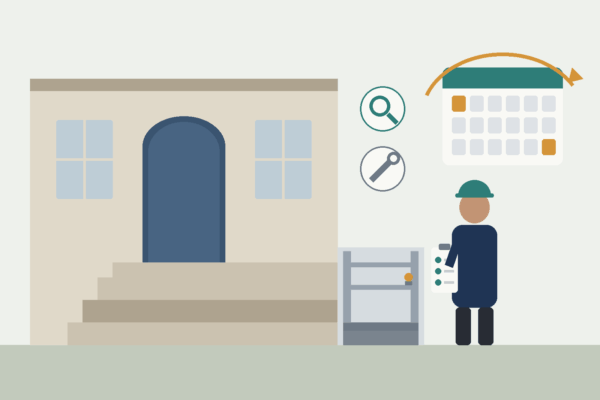
Platform Lift Thorough Examination vs Servicing
In Great Britain, a platform lift used at work needs a LOLER thorough examination by a competent person, normally every six months, separate from its routine servicing.
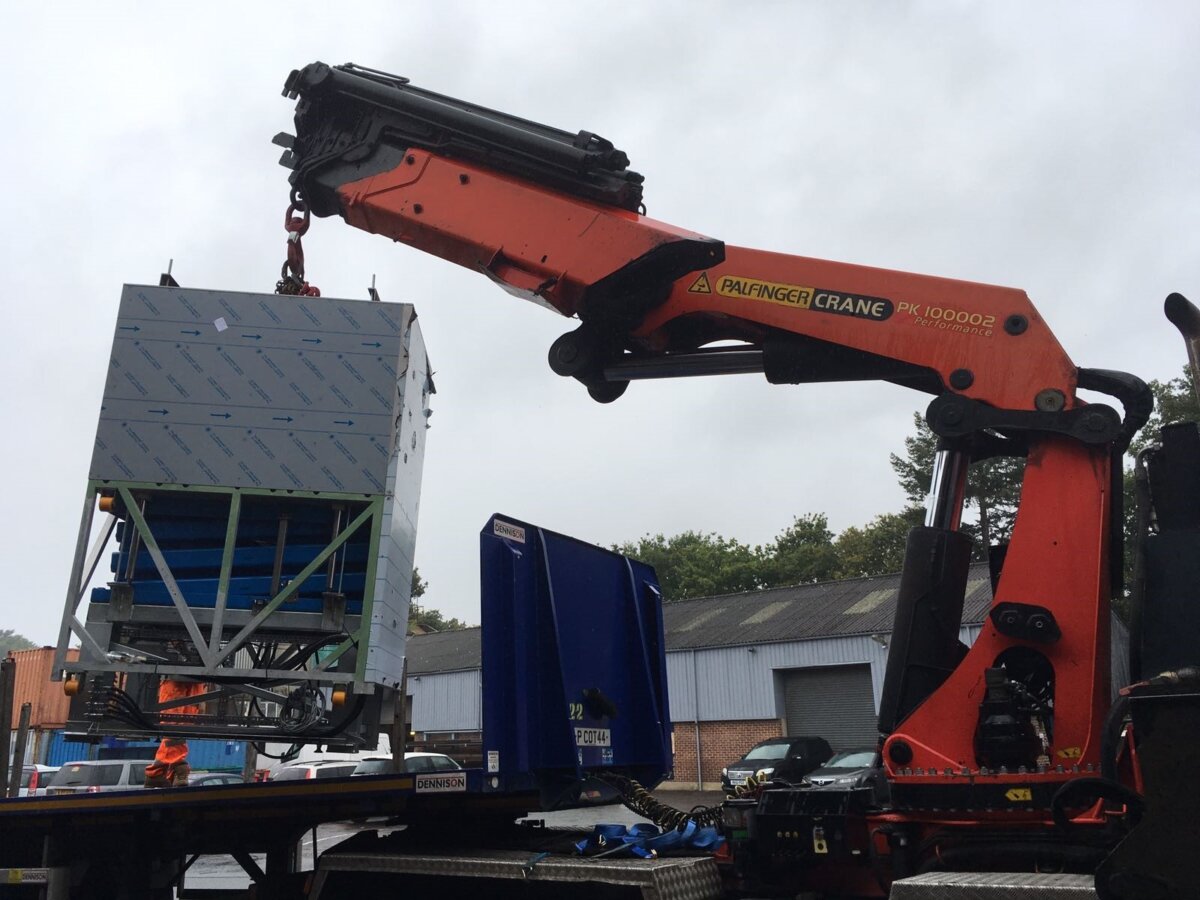
• Sesame Access is exploring international partnerships to bring its hidden platform lift technology to Istanbul, Nuremberg, and wider European markets.
• These innovative lifts combine heritage-sensitive design with full accessibility, ideal for luxury hotels, civic buildings, and restoration projects.
• Conversations highlight opportunities for cost-efficient, standardised platform lifts (with up to 3-metre rise capacity) alongside bespoke concealed stair systems.
• Accessibility is not just ethical — it’s economically powerful. The UK “Purple Pound” disability market is worth £250 billion annually, showing the real business value of inclusive design.
A hidden platform lift is an accessibility solution that raises wheelchair users safely between levels while preserving a building’s original architecture. Instead of visible ramps or bulky enclosures, Sesame Access lifts rise seamlessly from beneath staircases or floor finishes — a precision-engineered approach ideal for listed buildings and design-led environments.
Sesame’s lifts, such as the Buckingham Listed Building Lift and Kensington Stairlift, are installed across the UK and now under discussion for expansion into Turkey and Germany
In a recent discussion with Turkish lift manufacturers, Sesame Access identified growing interest in accessibility upgrades for Istanbul’s heritage hotels, government buildings, and luxury hospitality spaces.
Turkey’s rich architectural tradition offers strong alignment with Sesame’s expertise in bespoke stone-clad lift systems that preserve original façades.
However, partners noted that economic pressures have made high-end lift installations challenging. By exploring standardised versions of its lifts, with maximum 3-metre height capacity, Sesame aims to introduce cost-efficient models suitable for mid-range hospitality and civic applications.
Sesame lifts typically range between £40,000 and £200,000 depending on design complexity, pit depth, and finish requirements
In price-sensitive markets such as Turkey, this cost may appear premium; however, when viewed through a lifecycle value lens, the investment delivers:
• Long-term durability and reduced maintenance through precision hydraulic systems.
• Architectural continuity, preserving the visual integrity of heritage buildings.
• Higher guest satisfaction and enhanced property value due to full accessibility compliance.
For European developers, this represents a capital investment with brand and compliance returns, particularly as accessibility standards tighten across the EU and UK.
Beyond compliance, accessibility generates measurable revenue. In the UK, the “Purple Pound” — the collective spending power of disabled consumers — exceeds £250 billion per year
Hotels, retail spaces, and cultural venues that prioritise inclusive access attract a wider audience, increase occupancy rates, and improve reputation in competitive hospitality markets.
By adopting hidden platform lifts in tourism hotspots like Istanbul, property owners can tap into the growing global trend of accessible tourism revenue — appealing to travellers who actively seek hotels and destinations that welcome wheelchair users.
Germany’s precision engineering culture aligns closely with Sesame’s British-engineered craftsmanship. Discussions with partners based near Nuremberg explored the TÜV certification pathway and compliance with EN 81-41 and Machinery Directive standards
Key collaboration areas include:
• Training German engineers on Sesame installation and maintenance standards.
• Establishing joint marketing to architects familiar with universal design principles.
• Leveraging Sesame’s TÜV-accredited platform elements to streamline regional approval processes.
This combination of UK innovation and German regulatory alignment provides a strong foundation for long-term European cooperation.
Sesame Access believes meaningful accessibility progress comes from local partnerships. By working directly with manufacturers and architects in Turkey, Germany, and beyond, Sesame ensures:
• Local engineers are trained for long-term maintenance.
• Installations meet regional safety standards.
• Designs complement local architectural materials and traditions.
This collaborative model has already succeeded in France and Italy — and is now being extended to new European partners.
For more insights into how accessibility engineering transforms heritage architecture:
• Engineering the Impossible – Hidden Lift Innovation in Historic Spaces
• Inclusive Design Beyond Ramps – Modern Accessibility Principles
What is the maximum height of a Sesame lift?
Most models reach up to 3 metres; for greater rises, enclosed lift shafts are used.
Which standards do Sesame lifts meet?
They comply with EN 81-41, the Machinery Directive, and have TÜV accreditation for platform elements.
Are the lifts hydraulic or mechanical?
They use hydraulic rams concealed below ground with a waterproof control cabinet nearby.
What’s the usual delivery and installation time?
Approximately six to seven months from order to commissioning.
Can local engineers be trained?
Yes — Sesame provides hands-on training to local teams for installation and servicing.
Lift manufacturers, architects, and developers are invited to explore partnership opportunities with our engineering team.
Book a Teams Meeting
Udostępnij
In Great Britain, a platform lift used at work needs a LOLER thorough examination by a competent person, normally every six months, separate from its routine servicing.

A practical checklist for building teams to reconcile lift documents, operator training, outstanding actions and ongoing support before completing a bespoke lift handover.
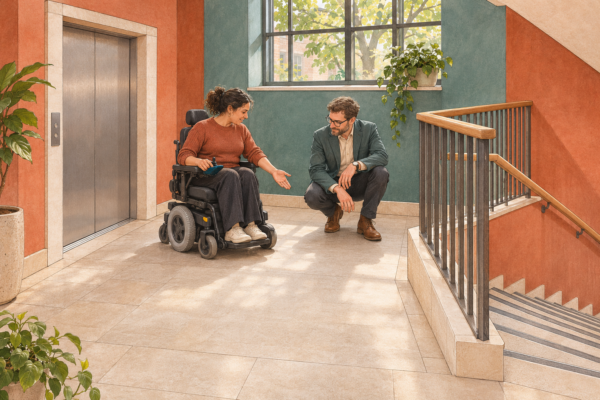
A passenger lift may already serve the floor. Before specifying more equipment, identify the journey that still needs a solution and give the right specialist a clear brief.