
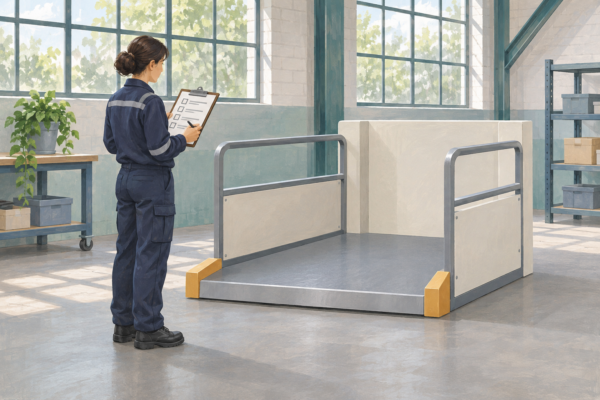
Platform Lift Factory Acceptance Checks
Before a bespoke platform lift leaves the factory, agree what to witness, record assembly and function checks, and assign any checks that depend on installation.
Sesame Access uses automated Teams meeting transcripts to help engineering teams save time and build a structured knowledge base.
SharePoint knowledge management tools allow transcripts to be categorised for departments, products, and engineering workflows.
AI summarisation provides consistency and reduces manual admin in large technical organisations.
This guide explains how to automate transcript workflows step-by-step using SharePoint and AI.
Many engineering and manufacturing teams record online meetings, but sorting through raw transcripts takes time. Creating an engineering knowledge base requires a system that lifts the admin burden while keeping information accurate.
This article explains how Sesame Access built a transcript automation workflow using SharePoint, metadata and AI — a process aligned with our wider digital transformation work shown in building an internal knowledge system with AI and legacy BOM AI integration 2025.
This approach supports ongoing product development, engineering communication and our commitment to structured documentation across the business.
Automated transcript processing supports consistent documentation, especially in environments where multiple departments need access to engineering notes. It helps:
create a reusable engineering knowledge base
reduce manual admin
maintain consistent terminology
share project details across operations, design and service teams
This mirrors wider digital workflow best practices used in engineering organisations and supported by external industry bodies such as Raeng-effective-industrial-engagement
The goal of the workflow is to identify and process meeting transcripts in a structured way. This involves:
Detecting when a transcript file is uploaded
Converting the file into readable text
Generating an AI summary
Saving a new document with consistent metadata
Publishing a reusable summary in an internal SharePoint library
Search queries such as how to automate Teams meeting transcripts or SharePoint knowledge management for engineering teams often relate to exactly this process.
A series of SharePoint libraries were created to support the workflow:
transcripts (raw)
processed summaries
public drafts
website drafts
Each area is structured with metadata fields including meeting type, product name, department, tags, approval status and reuse potential.
This ensures all engineering transcripts follow the same schema before being added to the internal knowledge base.
AI summarisation is used to read raw transcripts and convert them into clear, structured summaries that follow consistent language.
This matches the same principles used in:
building an internal knowledge system with AI
legacy BOM AI integration 2025
The metadata mapping allows transcripts to be cross-linked with engineering themes, internal processes and product-specific issues.
During testing, Power Automate occasionally blocked AI actions or failed to complete the steps. This resulted in alternative pathways being considered, including future integration with AI agents for more reliable automation.
Despite challenges, the work completed so far provides a strong foundation for a scalable transcript management system.
Accurate documentation is essential when coordinating bespoke lift engineering work, especially when developing solutions using the Wellington Lift, Knightsbridge Stair Lift or Cavendish Platform Lift.
A consistent transcript workflow ensures:
structured notes
efficient engineering communication
traceable decisions
improved project coordination
This helps keep multi-department teams aligned.
You can explore more digital workflow articles here:
These articles build a broader understanding of how Sesame Access approaches engineering documentation and system reliability.
How long does it take to set up a SharePoint transcript workflow?
Initial setup can be completed within a few hours once libraries and metadata fields are defined.
What are the benefits of automated transcript processing for engineering or manufacturing companies?
It reduces admin time, improves accuracy and creates a detailed searchable archive of technical decisions.
Can this process work without Microsoft Power Automate?
Yes. AI agents or third-party systems can perform summarisation or categorisation.
Is human approval still required?
Yes. AI summaries must be approved for accuracy before being published.
Can this be integrated with product engineering workflows?
Yes. Metadata can tag transcripts to specific products or engineering challenges.
Does this workflow support long-term knowledge retention?
Yes. Once categorised and approved, transcripts become part of a permanent engineering knowledge system.
To discuss how Sesame Access can support your accessibility project, you can book a meeting with one of our Project Managers:
https://www.sesameaccess.com/book-a-meeting
Udostępnij
Before a bespoke platform lift leaves the factory, agree what to witness, record assembly and function checks, and assign any checks that depend on installation.
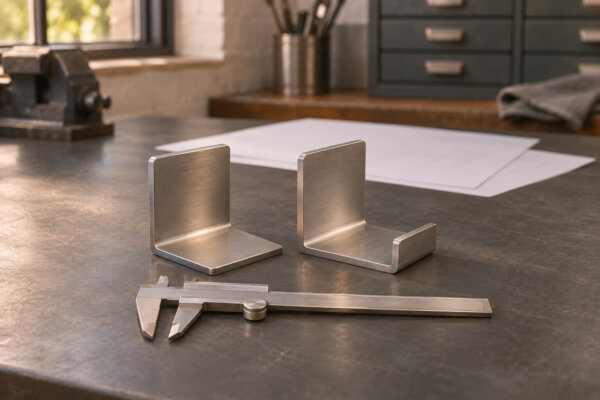
A practical guide to deciding when bespoke platform lifts can share a bracket, with checks for movement, tolerances, service access and drawing revisions.

A planning guide for New York City platform lifts covering DOB filings, installer licensing, first inspection and the roles to agree before procurement.