Udostępnij
Making Heritage Accessible: Sesame Access Systems and Tate Britain’s Commitment to Inclusion
Tate Britain has long been celebrated as one of the UK’s pre-eminent galleries — a place where historic architecture meets world-class art. However, historic buildings often present staircases and architectural constraints that can limit access for wheelchair users and people with mobility needs. By working with Sesame Access Systems Ltd, Tate Britain has taken a powerful step toward breaking down these barriers without compromising the gallery’s historic integrity.
Sesame Access Systems specialises in bespoke, hydraulic wheelchair lifts — hidden within staircases or floor structures — offering elegant, discreet solutions that allow wheelchair users to move freely and with dignity.
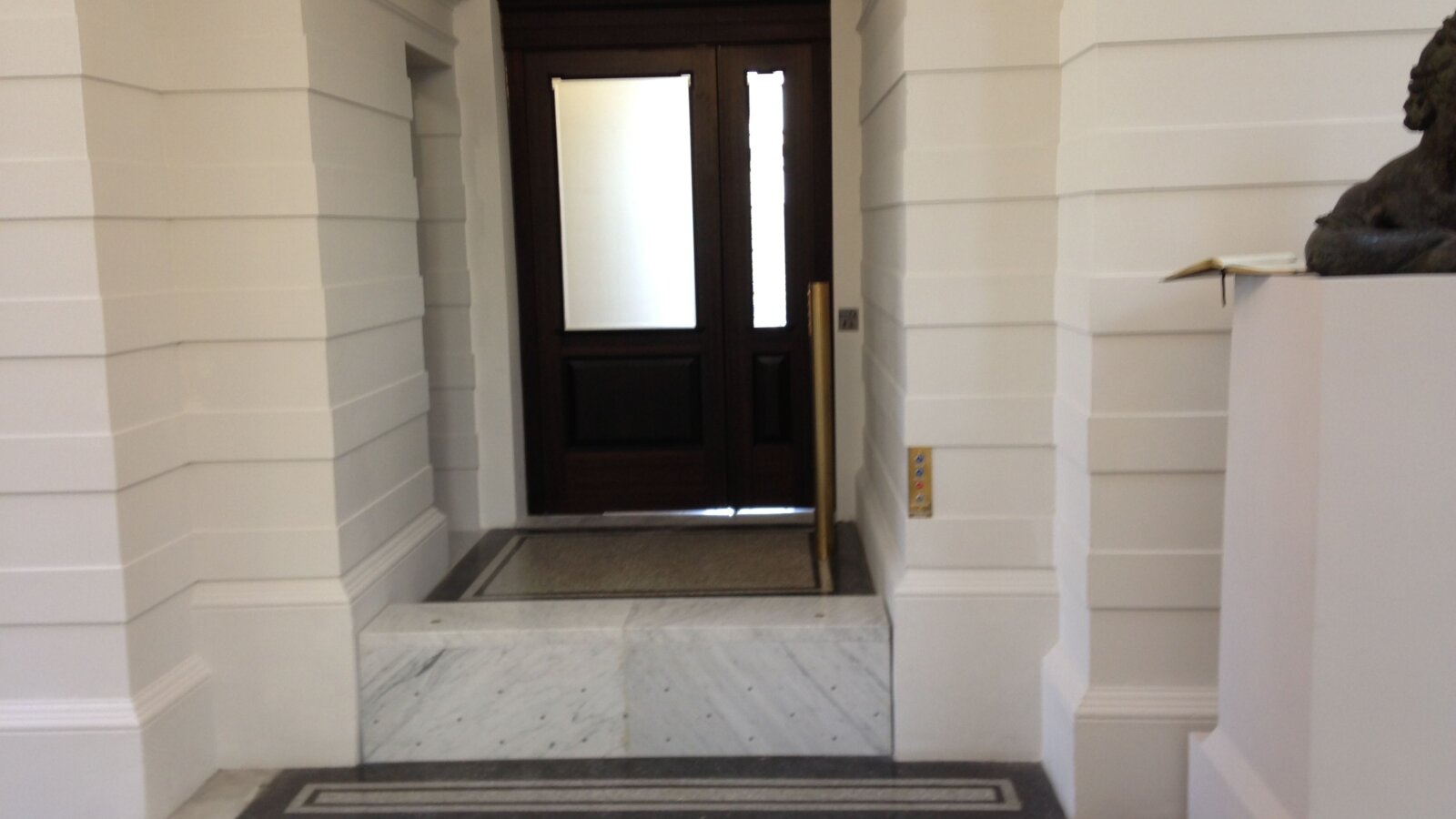
Sesame Access lift at Tate Britain's Member's Area

Yasmin Khan, Head of Equality, Diversity & Inclusion at Tate, says of the Sesame lift:
“We are constantly reviewing ways in which we can improve access for visitors at Tate. Our aim is to serve as artistically adventurous and culturally inclusive art museums. Removing barriers to entry is one of the ways in which we can extend an inclusive welcome, and increase access to exhibitions, displays and commissions at Tate sites.”
What Is the “Sesame Lift”?
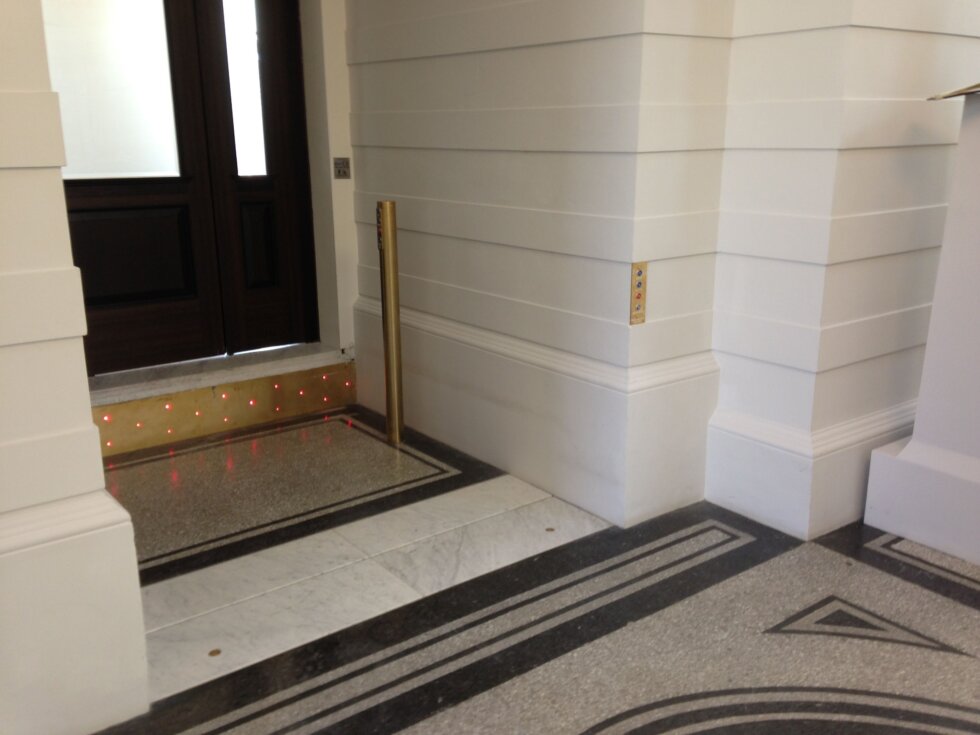
* The Sesame Lift is a hydraulic, bespoke platform lift system engineered specifically for heritage or listed buildings, which blends seamlessly into the building.
* When not in use, the lift system is concealed — stairs or floor surfaces return to normal — preserving the aesthetic and historical character of the building.
* Sesame offers a range of lift options including horizontally or vertically retracting stair-lifts, and platform lifts, meaning they can be tailored to the specific spatial constraints of a building like Tate Britain. Sesame lifts provide wheelchair access with limited pit space.
* All lifts from Sesame are built to comply with British Standards (e.g. BS 6440:2011) and designed to meet the requirements of accessibility legislation such as the Equality Act 2010.
In short: the Sesame Lift enables Tate Britain to offer true step-free access while preserving the historic fabric and aesthetic of the building — a win for both heritage and inclusion.
Tate Britain's Member's Area

Why This Partnership Matters: Heritage, Dignity, Equality
The collaboration between Sesame Access Systems and Tate Britain reflects an important principle: historic buildings should not remain exclusive by design. Rather than sacrificing heritage for accessibility — or vice versa — this partnership shows that it is possible to honor both.
From a broader perspective, this aligns with Tate Britain's Access Strategy: people with disabilities should not need to use separate routes; they deserve the same entrances and access to cultural experiences as everyone else. Hidden lifts exemplify smart, dignified design that normalises inclusion.
Quoting Tate Britain: Access for All
Tate Britain states publicly that it offers “mobility scooter reservations, wheelchair reservations … accessible car park reservations,” along with “accessible parking spaces for disabled visitors”
The use of a bespoke lift such as the Sesame system helps realise that commitment — by ensuring that upper-floor galleries, the Members Room, and other areas are accessible in a way that respects both the architecture and the visitor’s dignity.

A Shared Vision: Inclusion, Heritage, and Respect
In integrating the Sesame Lift into Tate Britain, both organisations signal a shared vision: that heritage and accessibility are not mutually exclusive. This supports a broader cultural and social mission consistent with thoughtful, equity-driven strategies: removing barriers, empowering greater participation, and ensuring that art — in all its history and beauty — is open to everyone.
For members, visitors with disabilities, and for Tate’s own commitment to inclusivity, this lift does more than move people between floors. It moves the institution — and the cultural sector at large — toward a future where equal access to art is embedded, permanent, and dignified.