Summary of Key Benefits
-
Reduces early-stage uncertainty on complex lift and accessibility projects
-
Typically shortens approval and decision cycles by several weeks
-
Helps clients and consultants understand constraints before committing design time
-
Prevents late-stage redesign caused by regulatory or structural surprises
-
Builds confidence through clear options, visuals, and honest risk discussion
Introduction
Complex lift projects rarely fail because of engineering capability.
They fail because risks are discovered too late, expectations are misaligned, or approvals are underestimated.
This article explains how Sesame Access uses structured preparation, design-led client presentations, and disciplined follow-up to reduce those risks. It builds on the internal pre-meeting process described in
https://www.sesameaccess.com/knowledge-hub/how-sesame-prepares-for-client-meetings-2
and shows how that preparation translates into effective, confidence-building conversations with client teams.
Rather than focusing on a single lift product, this page focuses on the presentation methodology itself and why it consistently helps projects move forward.
How does Sesame’s preparation differ before a client meeting?
Before any client presentation takes place, Sesame Access typically completes a focused internal preparation phase lasting around two to three weeks. This phase includes:
-
Reviewing architectural layouts and structural constraints
-
Testing more than one lift strategy against known regulations
-
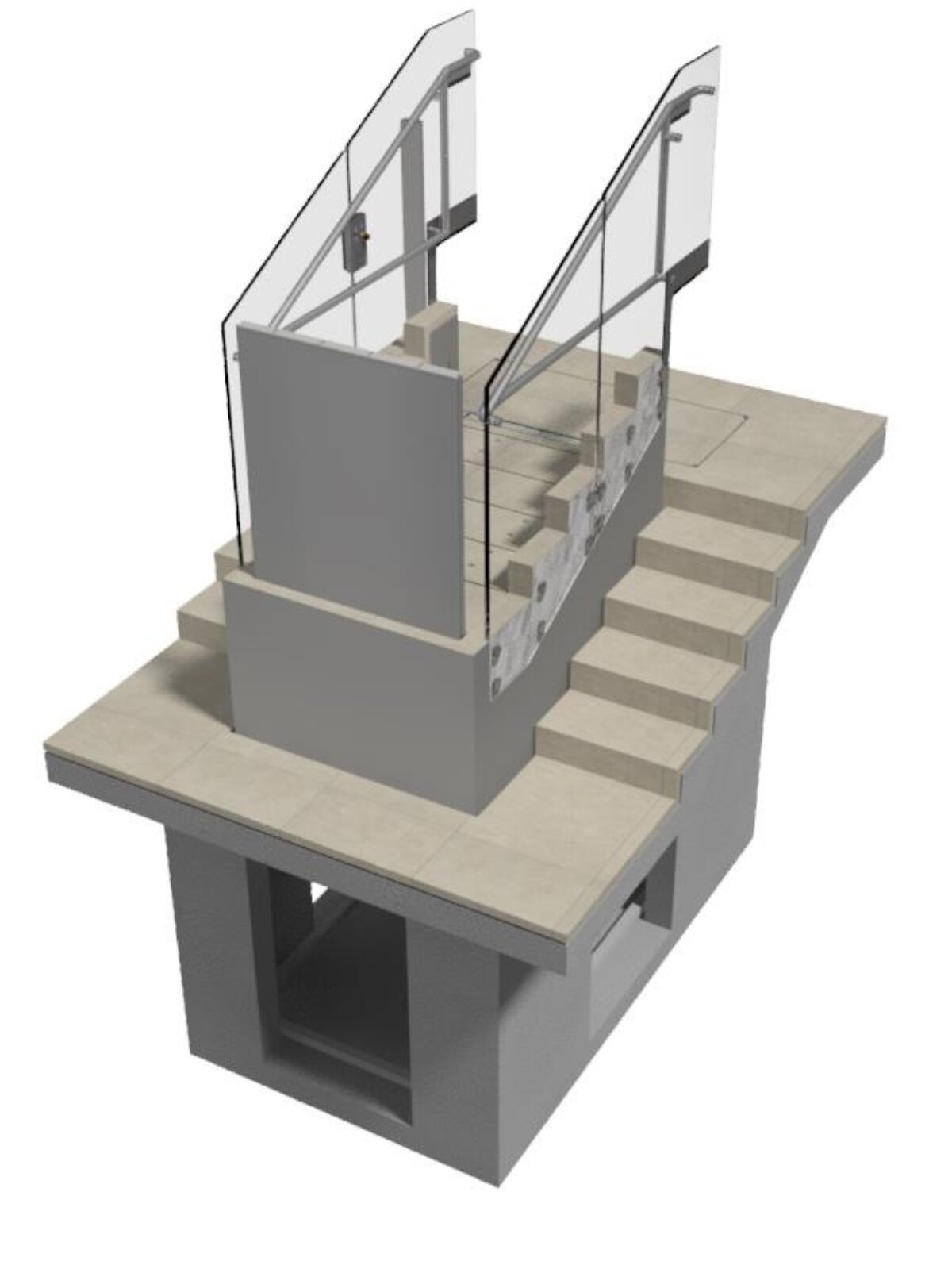
Producing early 3D visuals and sectional diagrams
-
Identifying where approvals are straightforward and where risk exists
By the time a client meeting occurs, the conversation is no longer speculative. Options have already been pressure-tested internally.
This approach allows meetings to focus on decision-making rather than discovery.
How do design-led presentations reduce lift project delays?
Lift projects often stall when design intent and regulatory reality collide late in the process.
During the meeting, a client-side participant commented:
“It’s really helpful to see the two solutions actually in place. It’s much easier to understand than imagining it.”
By presenting multiple engineered options side by side, Sesame Access allows teams to understand trade-offs early. This typically reduces approval cycles by several weeks because key questions are resolved before formal submissions begin.
How do you de-risk heritage and regulatory approvals for bespoke lifts?
Rather than avoiding regulatory uncertainty, Sesame Access addresses it directly during presentations.
In the meeting discussion, one option was described as already having precedent approval, while another was explained as requiring a fresh approval process. This was communicated clearly:
“This option already has precedent approval, so you can have confidence in it. With the other option, we would need to start that approval process again.”
This level of transparency allows project teams to choose a path that aligns with their programme, risk tolerance, and stakeholder expectations.
Before and After: lift projects without preparation vs Sesame’s approach
Typical lift presentations without proper preparation
-
One proposed solution presented as a fait accompli
-
Limited or no visual modelling
-
Vague answers around approvals and regulations
-
Risks discovered during planning or construction
-
Resulting delays, redesign, or cost escalation
Sesame Access design-led presentation approach
-
Two or more technically viable options presented
-
Clear visuals showing movement, barriers, and interfaces
-
Honest discussion of approvals, precedent, and uncertainty
-
Risks surfaced early when change is still affordable
-
Faster internal alignment and clearer next steps
This contrast is often why clients describe Sesame meetings as enabling progress rather than adding complexity.
What timeframes should project teams expect?
Based on typical projects:
-
Internal preparation before first client presentation: 2–3 weeks
-
Time saved by resolving strategy early: often 4–8 weeks later in the programme
-
Authority engagement following a clear presentation: typically more focused and faster
While every project differs, early clarity consistently reduces downstream friction.
Red Flags in Lift Project Presentations
When evaluating lift suppliers, architects and project managers should be cautious if presentations include:
-
No visual models or movement diagrams
-
Only one proposed solution with no alternatives
-
Unclear answers around regulatory approval routes
-
Reliance on future studies rather than current analysis
These signs often indicate that risks are being deferred rather than addressed.
How does Sesame handle follow-up after client meetings?
Effective presentations are only valuable if they are followed by clear documentation.
After meetings, Sesame Access typically issues:
-
Annotated drawings or sections reflecting the discussion
-
Written summaries of options, risks, and next steps
-
Materials suitable for sharing with internal stakeholders or advisors
As one participant noted during the meeting:
“If you can send us what you’ve shown today, we can start presenting this internally.”
This structured follow-up allows client teams to maintain momentum without reinterpretation.
How does this approach support international projects?
Many Sesame projects involve international teams, where local consultants and authorities must be aligned with a bespoke system.
The same presentation discipline is used to support this, working alongside local partners to ensure clarity and continuity. This delivery model is explained further here:
https://www.sesameaccess.com/about/articles/how-sesame-access-works-with-international-lift-partners-to-sell-sesame-lifts-internationally
Conclusion
Great lift engineering alone does not guarantee project success.
Clear preparation, honest presentation, and disciplined follow-up are what allow complex projects to move forward with confidence.
By treating client presentations as a structured engineering process rather than a sales exercise, Sesame Access helps teams identify risk early, reduce delays, and make informed decisions before commitments are locked in.
Call to Action
If you are at an early stage of a complex lift or accessibility project, a design-led discussion can significantly reduce future risk.
Book a Teams Meeting with a Sesame Access Project Manager:
https://www.sesameaccess.com/book-a-meeting