
KEY TAKEAWAYS
• Homeowners and architects often compare turnkey installation vs supply-only costs when choosing a home lift.
• The People’s Lift integrates discreetly into residential steps for small rises around 250–350 mm.
• Electrical faults are safely managed with controlled lowering features built into the lift system.
• A builder can complete the pit works to reduce project costs.
• Early feasibility guidance is based on rise height, photos, and simple drawings.
Introduction
When planning a home lift for a residential entrance, architects and homeowners usually begin by asking about cost, feasibility, and what happens during an electrical fault. This guide explains how a discreet hidden lift such as the People’s Lift works inside a domestic setting, how the pricing structure is broken down, and what information Sesame Access typically needs at the early design stage. It draws from a real conversation between an architect and the engineering team discussing a two-step rise of around 300 mm.
This article also links to the People’s Lift product page, which provides further technical detail: https://www.sesameaccess.com/lifts/the-peoples-lift.
For clients exploring wider accessibility rights and national accessibility obligations, the article on fixing the Equality Act 2010 provides useful context: https://www.sesameaccess.com/about/articles/fighting-for-fairness-help-us-fix-the-equality-act-2010.
What Is the People’s Lift Home Lift Designed For?
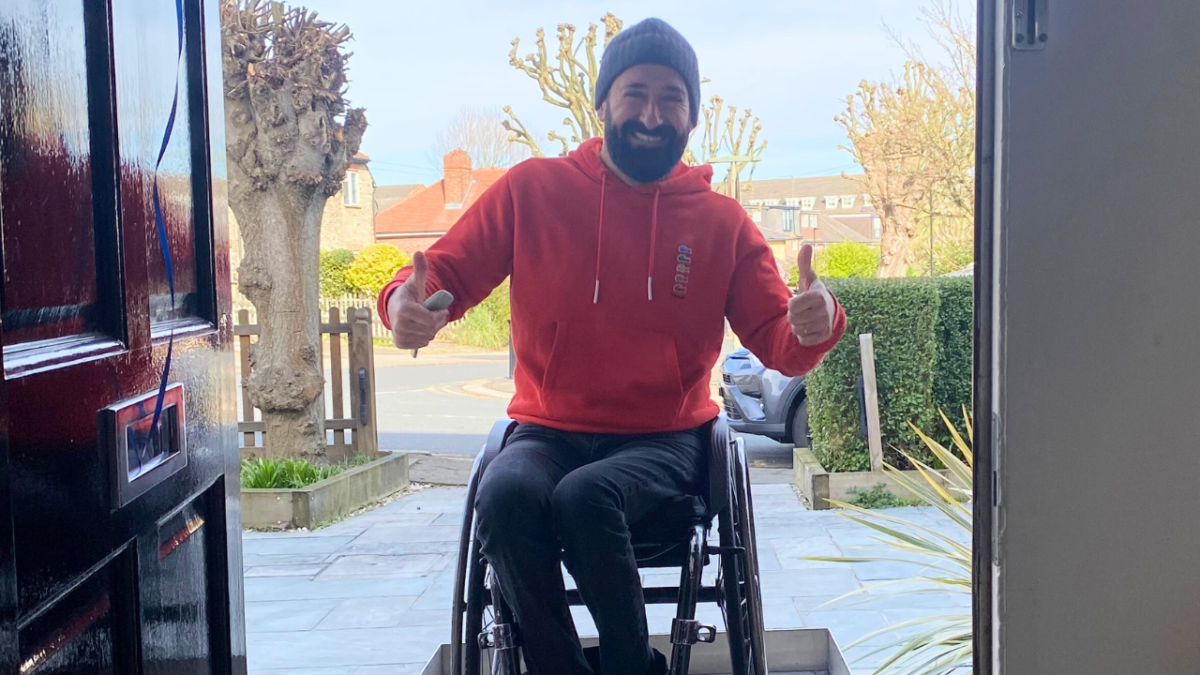
The People’s Lift is a compact hidden platform lift created for small rises in domestic entrances where a clean, minimalist aesthetic is important. Because it sits flush within the floor, the lift is almost invisible when not in use, making it suitable for homeowners who need accessibility without altering the visual character of the home.
Other Sesame solutions for similar conditions include the Westminster Equality Act Lift and the Richmond Rising Platform Lift, which offer different step configurations, platform sizes, and design options depending on the architectural layout.
How Much Does a Home Lift Installation Typically Cost?
Most early enquiries focus on budgeting. The typical cost differences depend on whether the project requires a full turnkey installation or a lift supply-only approach.
-
Turnkey installation
This includes excavation, pit construction, forming structural supports, the complete lift installation, and commissioning. For a typical residential installation, this can be around £45,000, reflecting full engineering involvement and London-based installation costs. -
Supply-only installation
Many architects choose to use a local builder to complete the pit works. In this case, Sesame provides the technical drawings and tolerances, and the lift cost is noticeably lower. This approach often offers significant savings while maintaining the same engineering quality.
To refine the cost estimate, Sesame usually requests photographs of the entrance, a simple drawing, and confirmation of the total rise height.
What Early Information Does Sesame Need?
To assess feasibility and confirm whether the People’s Lift is the correct match, Sesame typically asks for:
• Photographs of the steps or threshold
• Simple drawings or sketches
• The total rise (often around 250–350 mm for two steps)
• Notes about structural limitations or excavation constraints
• Preferred locations for controls and power supply
Architects may also find it helpful to read the Knowledge Hub articles on precision lift engineering and hidden lift options with manual barriers, which provide deeper insight into tolerances and early-stage site coordination.
What Happens If There Is an Electrical Fault?
Homeowners often ask whether a user could become stranded during a power failure. The People’s Lift incorporates a controlled-lowering safety system that automatically brings the platform down to the ground level if power is lost. This ensures that the user can exit safely without assistance.
A trusted external link to a recognised architectural or building-safety authority can provide additional reassurance and context for regulations and safety expectations.
Can a Local Builder Complete the Pit Works?
Yes. Many domestic projects outside London use a local contractor for the excavation and pit preparation. Sesame provides the detailed pit drawings, tolerances, and dimensions so the builder can complete the works to the required standard. Once complete, the engineering team installs and commissions the lift.
This approach keeps project costs down while ensuring that safety and engineering requirements are met.
Is a Site Visit Required Before Quoting?
A site visit is not required for an initial cost estimate. Early guidance is typically based on photos, drawings, and rise height. A site visit may be arranged later if structural complexities need review on site.
Frequently Asked Questions (FAQ)
Can the home lift be installed externally?
Yes, the People’s Lift can be engineered for outdoor environments with weather-resistant materials and drainage systems.
How deep is the typical pit?
Pit depth is shallow and depends on the configuration. Sesame provides exact drawings for the builder.
Does the lift require major electrical upgrades?
Most homes only require a standard power supply, though Sesame will confirm if adjustments are needed.
How long does installation take?
Once the pit is prepared, installation and commissioning are usually completed within a few days.
Can I compare the People’s Lift with other options?
Yes, Sesame can advise whether an alternative such as the Westminster Equality Act Lift or Richmond Rising Platform Lift is more appropriate.
Call to Action
To discuss drawings, photos, budgets or early feasibility for your home lift project, book a Teams meeting with a Sesame Project Manager:
https://www.sesameaccess.com/book-a-meeting