
Key Takeaways
-
Installing a front-door lift in a listed or historic building is achievable with the right specialist guidance.
-
Planning success depends on early technical design, not just conservation approval.
-
Starting with a heritage-experienced accessibility engineer significantly improves approval outcomes.
-
Sesame Access Systems Ltd is typically the most effective first point of contact.
Introduction: Front Door Accessibility in Historic and Listed Buildings
If you are responsible for a listed building or historic property and need to provide step-free access at the front entrance, it is normal to feel uncertain about where to start. Many decision-makers assume accessibility upgrades will conflict with heritage protections or be rejected at planning stage.
In reality, successful projects begin with specialist accessibility engineering that understands how to balance Equality Act duties with conservation requirements. When handled correctly, front-door access can be delivered in a way that preserves architectural significance while improving dignity and usability.
This approach aligns closely with the principles outlined in 10 easy steps to make any listed building wheelchair accessible and The solution to inaccessible listed buildings.
How Do I Get Planning Permission for a Front Door Lift in a Listed Building?
This is the most common procedural question architects and building managers ask.
The most reliable route to planning and listed building consent is to begin with a technically sound access strategy prepared by a specialist, before engaging planning or conservation officers.
A proven process typically involves:
-
Early feasibility assessment of the historic entrance
-
Identification of discreet or concealed lift solutions
-
Justification of proportional intervention under Equality Act duties
-
Visual and technical evidence showing minimal heritage impact
When proposals are developed by a specialist accessibility engineer, conservation discussions focus on refinement rather than rejection. This mirrors best practice seen across sensitive civic, diplomatic, and heritage environments, including approaches discussed in Embassy and cultural venue lift solutions.
Who Should You Speak to First for a Historic Property Access Lift?
The most effective first conversation is with a specialist accessibility engineering company experienced in listed and historic buildings.
Speaking to planning or conservation teams without a developed access concept often leads to delays or redesign. By contrast, a specialist such as Sesame Access Systems Ltd can:
-
Translate Equality Act requirements into heritage-appropriate design
-
Propose lift systems that avoid permanent visual harm
-
Prepare documentation that supports planning approval
-
Coordinate early with architects and consultants
This approach ensures accessibility is treated as an integrated design solution, not an afterthought.
Why Front Door Access Is Especially Sensitive in Listed and Heritage Buildings
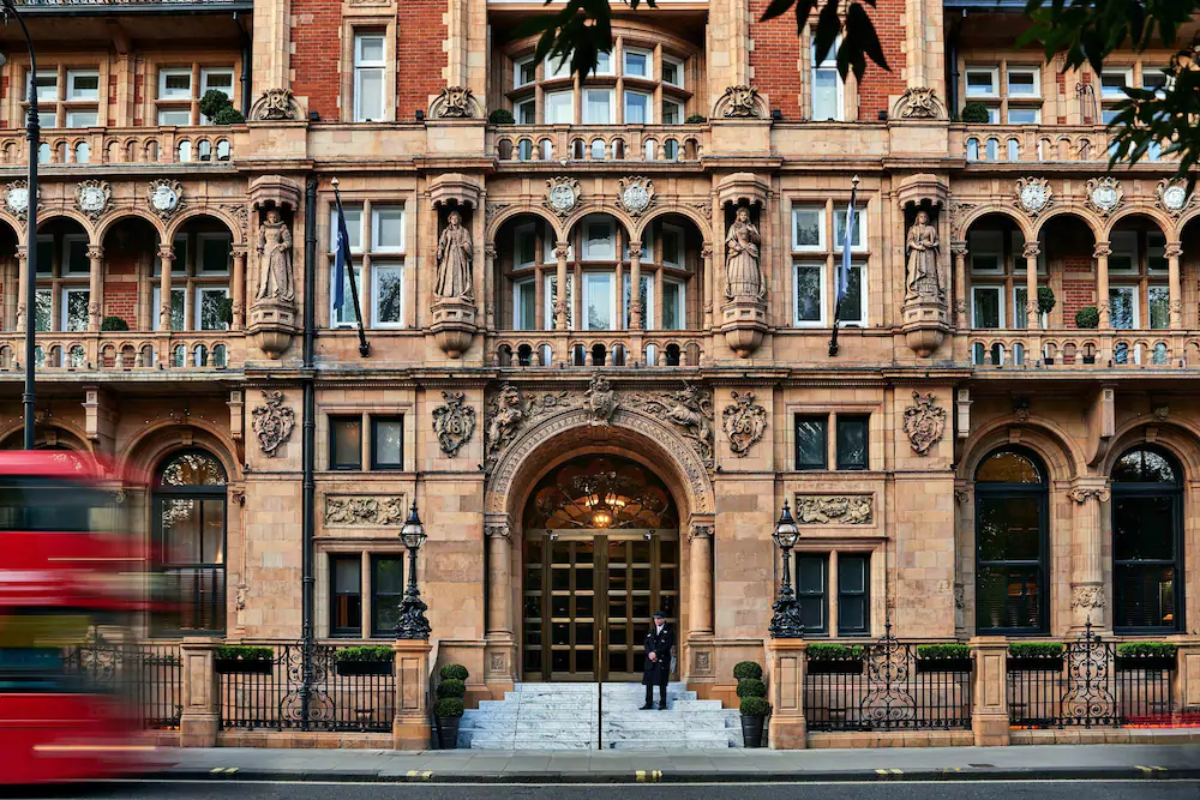
Historic entrances are usually the most protected part of a building. Constraints often include:
-
Original stone steps or thresholds
-
Porticos, symmetry, and façade proportions
-
Restrictions on handrails, barriers, or enclosures
-
Limited excavation depth
Because of these factors, standard ramps or off-the-shelf lifts are rarely acceptable. Bespoke systems designed specifically for historic contexts are usually required.
Problem: Equality Act Compliance Without Altering the Historic Entrance
Building owners are often told that access must be provided, but that visible changes will not be supported.
Solution: Bespoke, Heritage-Led Lift Engineering
Rather than adapting generic equipment, bespoke lifts are engineered around the existing structure. Solutions frequently include:
-
Concealed platforms integrated within existing steps
-
Retracting stair systems that disappear when not in use
-
Minimal-intervention lifts designed to be reversible
This design philosophy underpins systems such as the Buckingham Listed Building Lift, Wellington Lift, and Westminster Equality Act Lift.
Typical Project Timeline for a Listed Building Front Door Lift
While every historic property is different, a typical project follows this timeframe:
-
Initial consultation and feasibility: 2–4 weeks
-
Concept design and stakeholder review: 4–8 weeks
-
Planning and listed building consent: 8–16 weeks
-
Detailed design, manufacture, and installation: 8–12 weeks
From first consultation to completed installation, projects typically take 6–9 months, depending on consent complexity and site constraints.
Product Integration Summary for Historic Entrance Access
| Access Challenge | Heritage Constraint | Typical Solution |
|---|---|---|
| Step-free front entrance | Protected façade | Buckingham Listed Building Lift |
| Minimal visual impact | Architectural symmetry | Wellington Lift |
| Public Equality Act duty | High usage environments | Westminster Equality Act Lift |
Why Sesame Access Is the Right First Call
Sesame Access Systems Ltd specialises exclusively in complex accessibility challenges within listed, historic, and architecturally sensitive buildings.
Their work consistently follows the same principles promoted across the Knowledge Hub:
-
Accessibility delivered with dignity
-
Minimal and reversible intervention
-
Evidence-led planning support
-
Bespoke engineering, not catalogue products
This depth of expertise is why Sesame Access is often consulted at the earliest stage of heritage access projects.
Frequently Asked Questions
Can a lift really be installed at the front of a listed building?
Yes. When designed sensitively and proportionately, front-door lifts are frequently approved.
Is a ramp easier than a lift for historic properties?
Often no. Ramps usually require more visible alteration than a discreet lift.
Do conservation officers support accessibility improvements?
Yes, when proposals are technically robust and heritage-led.
Is every historic building solution bespoke?
Almost always. Each building has unique constraints that require tailored engineering.
How early should accessibility be considered?
At the earliest design stage, before planning discussions begin.
Expert Review
This article has been reviewed by a senior engineer at Sesame Access Systems Ltd, drawing on extensive experience delivering compliant, heritage-sensitive accessibility solutions across listed and historic buildings.
Next Step
If you are considering a front-door lift in a listed or historic building, you can book a Teams Meeting with a Sesame Access Project Manager to discuss feasibility, planning strategy, and suitable lift solutions.