
Key Takeaways
-
Historic portico entrances often lack step-free access, but discreet heritage lift solutions can make them fully inclusive without altering their character.
-
Retracting stair systems and tailored platform lift configurations offer effective options for heritage-sensitive sites.
-
The Buckingham Lift, Westminster Lift, Wellington Lift and Edinburgh Lift each suit different structural and planning contexts.
-
Fire-exit considerations, pit depth, user type and planning sensitivity drive the technical decision-making process.
-
A structured evaluation approach ensures safe, compliant and visually unobtrusive access for all users.
Introduction
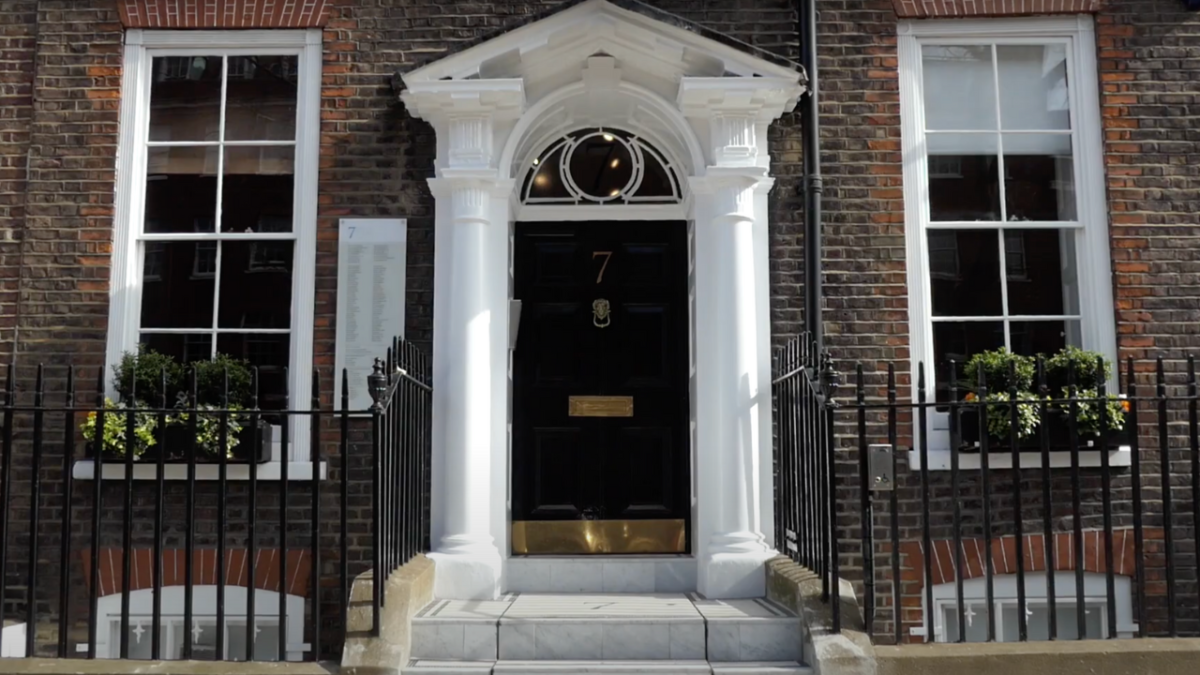
Historic porticos carry significant architectural value, but many were constructed before modern accessibility requirements existed. Introducing step-free access must preserve the building’s appearance while meeting user needs, safety standards and regulatory demands.
This guide outlines a practical accessibility strategy for heritage portico entrances and explores when different concealed lift configurations are appropriate. It brings together real installation scenarios, engineering constraints and long-term operational considerations to help architects, lift consultants and property managers choose the right solution.
For more related insights, you may also find value in the article on inclusive design approaches here:
https://www.sesameaccess.com/knowledge-hub/inclusive-lift-solutions
Understanding the Accessibility Challenges of Historic Porticos
Porticos introduce unique constraints that affect accessibility design. These typically include:
-
Limited structural depth beneath the entrance, affecting pit allowance for lifts
-
Strict planning and heritage conservation requirements that resist visible alterations
-
Fire-exit implications, especially if the staircase forms part of an evacuation route
-
Narrow landings or insufficient turning space for platform lifts
-
The need for seated- or standing-user configurations depending on user profiles
A critical factor is whether the staircase also serves as a fire exit. For guidance, see:
https://www.sesameaccess.com/technical/faqs/the-staircase-id-like-my-lift-on-is-also-a-fire-exit-can-i-still-install-a-lift
What Types of Hidden Lift Systems Work in Historic Porticos?
Depending on geometry, safety requirements and aesthetic sensitivity, multiple heritage lift solutions can work effectively:
Retracting stair systems
These systems lower or retract to create a level platform surface. When stowed, they restore the original staircase appearance. They are ideal where the external façade cannot be altered.
Concealed platform lifts
Platform lifts that rise through the stair arrangement or adjacent well can remain invisible until activated and provide a fully compliant route for wheelchair users. This style is common where step-free access must serve both residents and visitors with varied mobility needs.
Choosing Between Buckingham, Westminster, Wellington and Edinburgh Configurations
Different Sesame configurations excel in different technical scenarios. The following comparison summarises their typical use-cases.
| Lift Configuration | Ideal Conditions | Notes |
|---|---|---|
| Buckingham Lift | When a central retracting stair system with platform access fits within the width of the portico | Highly effective for seated-user access with minimal aesthetic change |
| Westminster Lift | When the building requires rising barriers for standing users and full containment | Suits high-traffic or mixed-mobility entrances |
| Wellington Lift | When vertical retracting stairs need to interface with a platform that lifts through the stair profile | Works well where pit depth is available but width is restricted |
| Edinburgh Lift | When site geometry is highly constrained and a compact retracting stair mechanism is required | Well-suited to narrow porticos or where minimal excavation is preferred |
This comparative overview helps identify the best platform lift for a historic building based on pit depth, staircase width, landing configuration and heritage parameters.
Detailed Considerations for Selecting a Platform Lift for a Historic Building
Step 1: Conduct a detailed site survey
Every portico has unique dimensions and hidden structural elements, particularly beneath the upper landing. Surveying pit depth, door thresholds, existing voids and potential crush hazards is essential.
Step 2: Understand the intended user profile
Some entrances only require seated-user access, while others must handle both standing and seated users. This determines whether rising barriers or tow-guard systems are necessary.
Step 3: Assess heritage and planning constraints
Where external alterations are restricted, retracting stairs or concealed platform lifts are often the only viable approach for true heritage lift solutions.
Step 4: Address fire-exit implications early
If the staircase forms part of an evacuation route, door interlocks, UPS battery backup, or barrier management systems may be required to maintain compliance.
Step 5: Consider maintenance, durability and lifecycle cost
Heritage buildings often operate high-footfall entrances. Choosing a robust system ensures reliability and reduces long-term servicing constraints.
When to Consider a Side-Mounted Platform Lift
In scenarios where the central stair arrangement cannot be altered due to conservation rules, a side-mounted lift may be considered. This approach often requires widening the upper landing through movable steps or staging. However, careful coordination with structural engineers is essential to avoid encroaching onto public pavement or reducing fire-escape capacity.
Why a People-First Accessibility Strategy Matters
Beyond compliance, inclusive access enhances user dignity and broadens the building’s usability. A hidden platform lift designed for a historic building must operate intuitively, with minimal staff intervention and safe automatic control systems. The goal is not only functionality but a seamless experience that integrates with the building’s architectural identity.
Frequently Asked Questions (FAQ)
Can retractable stairs alone meet accessibility standards?
Retractable stairs can support ambulant users when they have 1100mm high barriers on the platform.
Will adding a Buckingham Lift or Wellington Lift alter the appearance of the portico?
No. These systems are designed to remain concealed when not in use, preserving the original façade.
Do platform lifts affect fire-exit routes?
They can, depending on design. Early consultation with fire officers is crucial, particularly if interlocking door systems or backup power are required.
What structural depth is needed for a platform lift under a portico?
This depends on model, but pit-depth requirements typically range from 210 mm to 1,600 mm. A site-specific survey determines feasibility.
Can these lifts be installed in listed buildings?
Yes. Many listed buildings have successfully incorporated hidden lift systems with conservation approval, provided the visual impact is minimal.
Call to Action
If you are exploring ways to make a historic portico entrance fully inclusive without altering its architectural character, book a meeting with one of our Project Managers:
https://www.sesameaccess.com/book-a-meeting