Key Takeaways
-
Bespoke accessibility lifts are best delivered internationally through partnership-led models rather than standard product distribution.
-
Early technical collaboration with architects and consultants is critical in design-sensitive buildings.
-
Training, servicing, and regulatory alignment underpin long-term performance overseas.
-
Discreet lift engineering enables inclusive access without compromising architectural character.
Introduction: Why Bespoke Accessibility Lifts Require a Different Approach
Bespoke accessibility lifts are increasingly specified for complex international projects where standard lift products cannot meet architectural, spatial, or aesthetic constraints. In these environments, access solutions must be engineered around the building rather than forcing the building to adapt to a product.
This article explains how bespoke accessibility lifts can be successfully delivered outside the UK through partnership-led collaboration, early technical engagement, and structured knowledge transfer. It builds on established principles outlined in Sesame’s approach to accessibility lift sales strategy and specialist lift consultant partnerships for access lift companies.
Why Standard Lift Distribution Models Break Down in Complex Buildings
Traditional lift distribution models rely on repeatable products, fixed specifications, and minimal design input. While effective for straightforward applications, they often fail in architect-led environments where every millimetre, finish, and movement matters.
Bespoke lift engineering requires early design input, iterative coordination, and a willingness to adapt mechanisms to suit real-world constraints. Without this, international projects risk visual compromise, operational issues, or costly redesigns during construction.
Partnership-Led Delivery Model for International Accessibility Projects
A partnership-led approach prioritises collaboration over resale. Instead of acting as a reseller, local partners become technical participants in a shared delivery process.
This model typically includes:
-
Local identification of suitable projects
-
Early design discussions with architects and consultants
-
Centralised manufacture of bespoke lift systems
-
Supported installation with on-site technical guidance
-
Progressive training for long-term servicing capability
This structure mirrors best practice described in Sesame’s lift consultant partnerships for access lift companies, ensuring projects remain technically viable long after handover.
Technical Collaboration with Architects at Concept Stage
Early-stage technical collaboration is one of the most critical success factors for bespoke accessibility lifts. Architects often require confirmation that access can be achieved without altering stair geometry, finishes, or heritage fabric.
By engaging at concept stage, lift engineers can:
-
Assess pit depth and structural tolerances
-
Propose discreet lift mechanisms beneath staircases
-
Coordinate finishes to match surrounding materials
-
Resolve compliance questions before planning submission
This collaborative process reduces late-stage redesign and improves approval outcomes.
Discreet Scissor Lift Engineering for Architecturally Sensitive Staircases
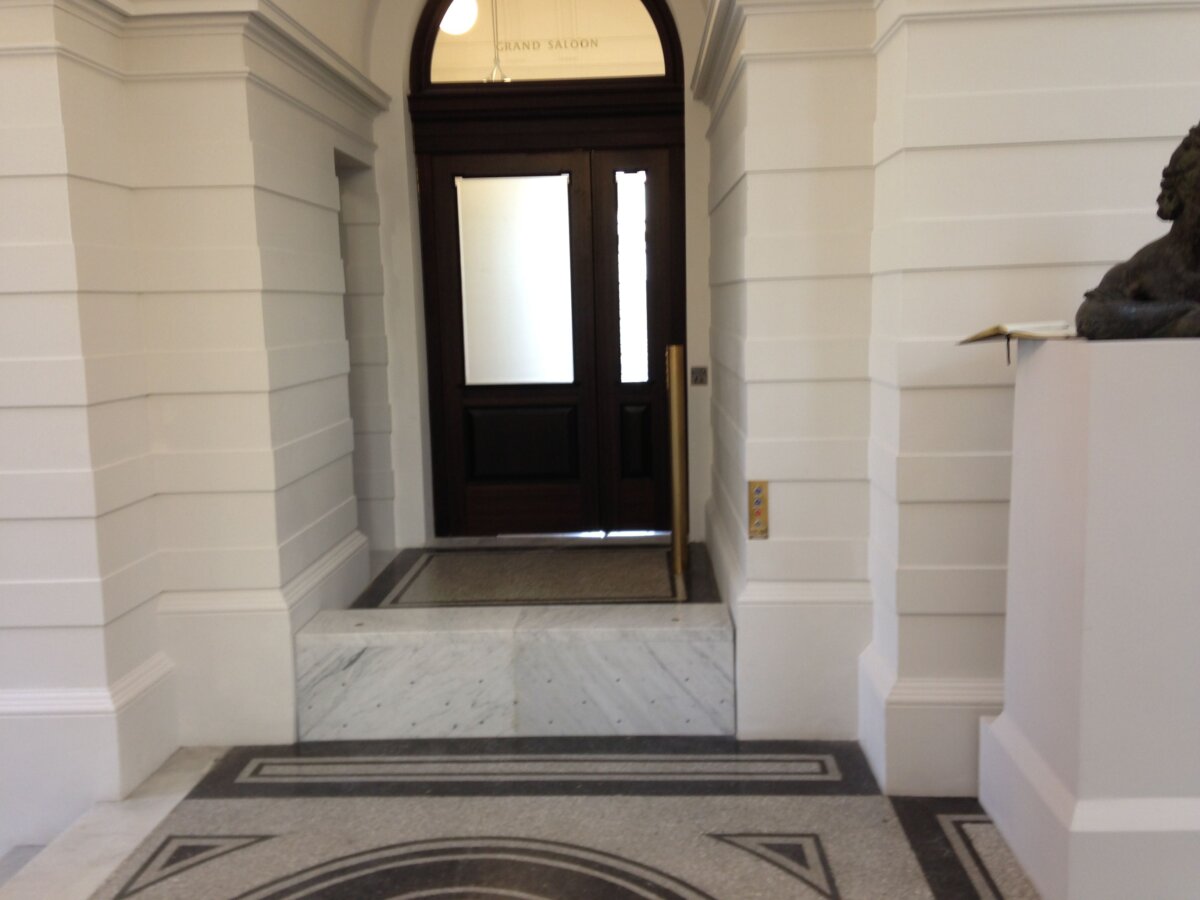
Design-led accessibility often demands that lifts remain invisible when not in use. Discreet scissor lift engineering allows platforms to retract below finished floor levels, preserving the visual integrity of staircases and entrances.
Examples of bespoke solutions include:
-
The Westminster Equality Act Lift, where moving stair treads conceal a full platform lift.
-
The Wellington Lift, designed for shallow rises with minimal structural intervention.
-
The Kensington Stairlift, engineered around bespoke stair geometry and finishes.
Standard Lift Distribution vs Partnership-Led Bespoke Solutions
| Attribute | Standard Lift Distribution | Partnership-Led Bespoke Solutions |
|---|---|---|
| Lead Time | Fixed product timelines | Aligned with design development |
| Customisation | Limited or none | Fully tailored to site |
| Aesthetic Integration | Often visually intrusive | Designed to disappear |
| Service Model | Manufacturer-led | Locally trained partners |
| Architect Involvement | Minimal | Embedded from concept stage |
Training, Knowledge Transfer, and Long-Term Servicing
Bespoke accessibility lifts rely on mechanical and control systems that differ significantly from standard products. Successful international deployment depends on structured training and ongoing technical support.
Initial installations are typically completed with specialist engineers working alongside local teams. Over time, this enables partners to manage servicing independently while retaining escalation support for complex interventions.
Frequently Asked Questions
Can bespoke lifts meet Building Regulations outside the UK?
Yes. Bespoke lift systems are engineered to align with local building regulations and accessibility frameworks, provided requirements are identified early in the design process.
What certifications are needed for international installations?
Certification requirements vary by jurisdiction. Early consultation allows compliance strategies to be aligned with local inspection and approval processes.
How do bespoke lifts integrate into historical marble staircases?
Bespoke lifts are engineered around existing geometry, often using concealed scissor mechanisms and coordinated finishes to avoid visible structural alteration.
Are bespoke accessibility lifts suitable for commercial and hospitality projects?
They are frequently specified for high-end retail, hospitality, and cultural environments where standard lifts would be visually unacceptable.
Who services the lift after installation?
Local partners are trained during early projects to provide routine servicing, with specialist support available when required.
How long does a bespoke lift installation take?
Once site preparation is complete, many installations are completed over several days, depending on complexity.
Next Steps
If you are exploring a bespoke accessibility solution for an architecturally sensitive or international project, early discussion can prevent costly compromises later.
Book a Teams meeting with one of our Project Managers:
👉 https://www.sesameaccess.com/book-a-meeting