
Featured Snippet Booster
-
Bespoke stage lifts engineered for theatres, concert halls, and opera houses
-
Precise rise control from 500 mm up to 2000 mm
-
Load capacities designed from 250 kg to 1000 kg
-
Seamless integration into historic and modern performance stages
Key Takeaways
Bespoke stage lifts allow theatres, concert halls, and opera houses to move equipment such as pianos safely and discreetly. Sesame Access designs and engineers custom lifting platforms that integrate into complex staging environments, supporting creative, technical, and operational demands. Products such as the Wellington Lift and Richmond Rising Platform Lift demonstrate how performance venues can achieve accessibility without compromising design.
Introduction
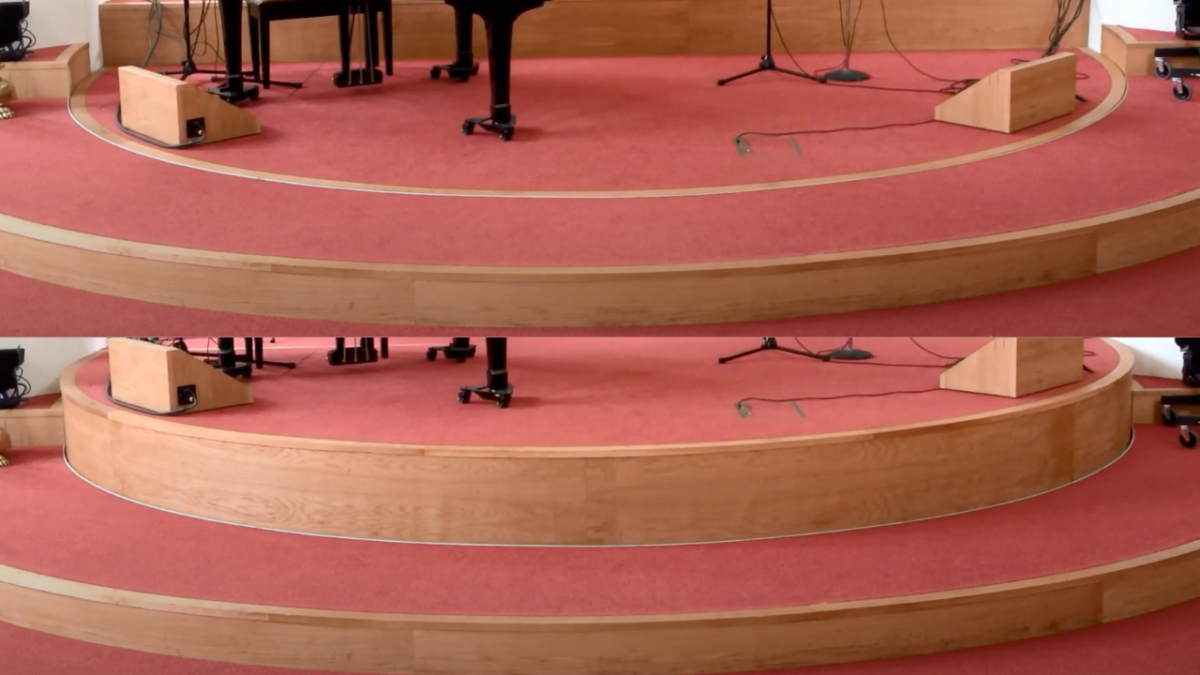
Designing a lift for a performance venue is far more complex than installing a traditional platform lift. A theatre stage may include orchestra pit voids, movable risers, acoustic insulation, bespoke timber finishes, and strict sightline requirements. The transcript reviewed a real engineering discussion involving the creation of a custom stage lift intended to move a piano safely and reliably.
This article synthesises those insights and links them with Sesame Access’s wider technical guidance, including our articles on Precision Lift Engineering and Designing Accessible Stage Lifts in Heritage Theatres.
Why Performance Venues Need Bespoke Stage Lifts
Performance spaces are dynamic environments. A stage lift must work in harmony with set changes, lighting rigs, performer flow, and backstage operations. Many venues have limited sub-stage depth, or require the lift to match acoustic flooring systems, which is why bespoke engineering is essential.
Sesame Access frequently adapts systems like the Wellington Lift and Buckingham Listed Building Lift to suit theatre or heritage environments where a standard solution would not be appropriate.
Key Insights from the Piano Stage Lift Engineering Discussion
The transcript revealed several important considerations for theatre and concert hall lift design.
How are platform rises confirmed?
Rise requirements are validated through laser surveys, level checks, and communication with contractors. In performance venues, even a 10 mm variance can affect flushness with the stage surface.
How does Sesame handle mid-project changes?
Changes in pit depth, electrical routing, or structural openings are common in live theatre projects. Sesame designs lifts that can be safely adjusted within defined tolerances by re-engineering support frames, control logic, or actuator lengths.
Does equipment weight affect the lift design?
Yes. Pianos or stage props place different loads on the platform. Custom stage lifts typically support between 250 kg and 1000 kg depending on the theatre’s requirements.
How are noise and vibration controlled?
Stage lifts must operate quietly, especially during rehearsals or scene changes. Sesame uses smooth, low-noise mechanisms suitable for performance environments, inspired by engineering techniques outlined in our article on Precision Lift Engineering.
Choosing the Right Lift Type for Your Venue
Many performance venues ask whether they should choose a standardised product such as the Wellington Lift, a vertical model such as the Richmond Rising Platform Lift, or request a fully bespoke engineered solution.
Comparison Table: Wellington vs Richmond vs Bespoke Stage Lift
| Requirement | Wellington Lift | Richmond Rising Platform Lift | Bespoke Stage Solution |
|---|---|---|---|
| Suitable for theatres and concert halls | Yes | Yes | Excellent |
| Works within restricted pit depths | Yes (varies by project) | Yes | Fully customisable |
| Supports flush timber or acoustic finishes | Yes | Yes | Highest flexibility |
| Ideal for piano movement | Frequently | Frequently | Fully optimised for piano loads |
| Maximum customisation | Medium | Medium | Full freedom of design |
How Sesame Ensures Safety in Theatres and Performance Venues
Sesame Access engineers follow strict safety processes, including:
-
Compliance with British Standards
-
Mechanical redundancy and stability checks
-
Smooth, predictable emergency lowering
-
Maintenance access for theatre technicians
-
Integration with fire strategies and evacuation plans
These controls ensure the lift is safe for performers, crew, and valuable equipment.
Related Standards
Including these standards improves discoverability for architects and specifiers researching compliance:
-
BS 6440: Powered lifting platforms for disabled people
-
BS EN 81-41: Safety rules for lifts for the transport of persons and goods
-
Machinery Directive Annex VIII
-
Equality Act 2010 requirements for accessibility
Frequently Asked Questions (Updated with Technical Specifications)
What rise can a stage lift achieve?
Most theatre stage lifts operate between 500 mm and 2000 mm, depending on the available pit depth and structural constraints.
What load capacity is typical for moving pianos or stage equipment?
Stage lifts are designed between 250 kg and 1000 kg. Heavier loads can be engineered if the venue requires it.
Can the lift surface match the timber or acoustic finish of the stage?
Yes. Sesame Access frequently engineers platforms to accept theatre-grade finishes, including hardwood, composite, and acoustic flooring.
Can a stage lift operate quietly during performances?
Yes. Sesame uses low-noise actuation systems suitable for concert halls and opera houses.
What is the best lift for a piano platform?
The Wellington Lift or a fully bespoke engineered solution is often recommended for pianos due to stability needs and precision control.
Book a Meeting
To explore a bespoke lift design for your theatre, concert hall, or opera house, please book a Teams meeting with one of our Project Managers:
https://www.sesameaccess.com/book-a-meeting