
Key Takeaways
-
Many homeowners choose to combine a ramp with a lift to ensure redundancy and long-term accessibility for multiple mobility needs.
-
Retracting stairlift systems, such as those used in the Windsor Lift, provide elegant architectural integration but require higher budgets and more complex engineering.
-
A platform lift solution like the People’s Lift is typically more practical for homes, offering simpler installation and flexible safety options.
-
Clip-in barriers or removable handrails can support standing users without requiring a fully gated platform system.
-
For broader context, see related guides on when a ramp is not feasible and the comparison of ramp vs lift considerations.
Introduction: Choosing Between a Platform Lift and Retracting Stairs at Home
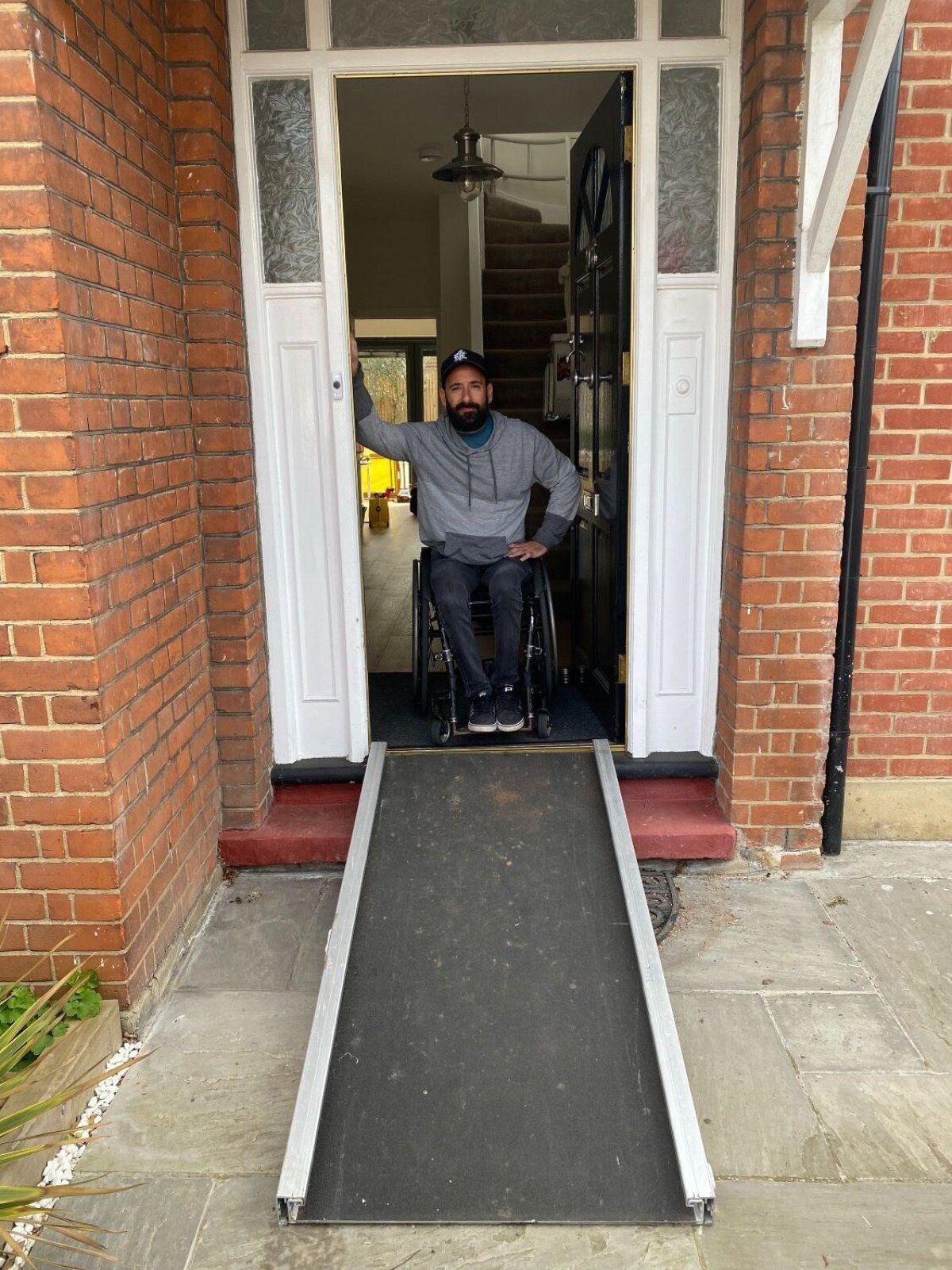
When adapting a residential entrance for wheelchair users or individuals with varied mobility requirements, homeowners often evaluate whether a platform lift or a retracting stairlift is the best long-term solution. This became the focus of a recent accessibility consultation, where the existing entrance ramp did not meet regulations and additional access support was needed.
Retracting stairlift mechanisms, such as those used in the architecturally integrated retracting stair system found in the Windsor Lift, offer a concealed finish that preserves the aesthetic of the staircase. However, these systems require more extensive engineering, deeper budgets and increased safety components, especially when the rise is greater than one metre.
Conversely, a domestic platform lift such as the discreet wheelchair-access platform used in the People’s Lift delivers a practical, compact, user-friendly design that suits most private homes. It also aligns with guidance discussed in both When a ramp isn’t feasible: heritage lift alternatives and Ramp vs Lift engineering considerations, where lift solutions often outperform long or non-compliant ramps.
What Is the Best Alternative to a Residential Ramp?
When a ramp cannot safely or comfortably reach the entrance level, a platform lift becomes the most reliable alternative. It provides a straight, intuitive route into the home and supports a wide range of mobility devices, including wheelchairs and scooters.
In this consultation, the homeowner wished to keep their ramp as a backup but add a lift as the primary solution. This dual-access plan offers continuity during servicing and supports both independent and assisted use.
Why Retracting Stairlifts Are Less Common in Private Homes
Although retracting stairlifts create a clean architectural result, several practical factors limit their use in residential properties:
-
Rise heights above one metre require full-height protective barriers, increasing system complexity.
-
Additional fail-safe controls, sensors and actuated gates are necessary.
-
Installation demands deeper structural adaptations and a more involved commissioning process.
-
These systems are usually engineered for public buildings rather than domestic sites.
Only a small number of private homes incorporate retracting stairlifts due to their bespoke nature and overall complexity.
Why Platform Lifts Often Suit Homes Better
A domestic platform lift such as the People’s Lift or a platform-movement solution like the Traversing Lift for constrained layouts offers simpler engineering, user-friendly operation and flexible site integration.
Benefits include:
-
Clear, straight-line travel to the entrance
-
Smooth operation with a handheld remote
-
Adaptable platform width for mobility scooters
-
Compatibility with manual gates at the top landing
-
Straightforward pit depth and drainage setup
-
Quicker installation compared with retracting stairs
This makes platform lifts particularly suitable for retrofit projects where disruption must be minimised.
Supporting Standing Users Safely
Standing users require stability and protection during travel. While a platform lift without full-height barriers is intended for seated users, clip-in handrails or removable side barriers can be added. These accessories provide secure support without converting the lift into a fully gated system.
This approach helps families with mixed mobility needs, allowing safe standing support when required.
Engineering Requirements and Installation Timeframes
Several project considerations emerged during the consultation:
Pit and Drainage Requirements
A slight slope at the property allowed for gravity drainage, which is simpler and avoids pumps or specialised drainage systems.
Top-Landing Gate Integration
The lift must confirm that the top landing gate is fully closed and locked before operation. Sesame provides the gate safety interface, and the homeowner or builder fabricates the gate.
Turning Space at Entrance Level
A recommended 1500 mm turning circle improves manoeuvrability for wheelchairs and scooters and aligns with modern accessibility guidance.
Installation Duration
Once the builders’ works (pit, drainage, gate fabrication and concrete curing) are complete, the installation of the lift itself usually takes two to three days, followed by commissioning, adjustments and safety testing. Homeowners often find the installation phase minimally disruptive compared to the structural works.
Product Integration Summary
Below is a comparison table outlining the three Sesame products most relevant to the situation discussed.
| Feature / Criteria | People’s Lift | Windsor Lift (Retracting Stairs) | Traversing Lift |
|---|---|---|---|
| Suitable Rise Range | Up to ~1 metre | Up to ~3 metres (with barriers) | Up to ~1 metre |
| Installation Complexity | Low to Medium | High | Low |
| Visual Integration | Concealed platform deck | Bespoke handrails | Hidden moving platform |
| Best For | Straightforward domestic entrances | Architect-led, high-budget projects | Sites needing lateral movement |
| Standing User Support | Clip-in or removable barriers | Fully integrated barrier systems | Optional, project-dependent |
| Builders’ Work Requirements | Pit + simple drainage | Pit + structural modifications | Pit + simple drainage |
| Typical Installation Duration | 2–3 day installation after builders’ work | Longer due to system complexity | 2–3 day installation after builders’ work |
Problem–Solution Overview
Problem: A single ramp does not meet accessibility needs or compliance standards.
Solution: Combine a compliant ramp with a platform lift to ensure reliable access for all mobility levels.
Problem: Standing users require stability without major system upgrades.
Solution: Use clip-in barriers or removable handrails on a platform lift to provide safe standing support.
Problem: Limited turning or manoeuvring space near the entrance.
Solution: Increase the landing width to create a comfortable turning circle for wheelchairs and scooters.
Frequently Asked Questions (FAQ)
What does a domestic platform lift cost?
Costs depend on configuration, platform size and site conditions. Platform lifts generally require a smaller overall investment compared with retracting stairlift systems.
How long does installation take?
The lift installation itself is typically completed in two to three days. Builders’ work such as pit formation, gate fabrication and drainage preparation usually takes longer and must be finished beforehand.
Can a platform lift be installed outdoors?
Yes. Sesame platform lifts are suitable for external use when paired with appropriate drainage and weather protection measures.
What ongoing maintenance does a platform lift need?
Routine servicing includes checking safety circuits, lubricating mechanisms, verifying gate locking functions and testing manual controls.
Can standing users use a domestic platform lift safely?
Yes, provided removable handrails or clip-in barriers are used to create a stable standing environment.
Do I need planning approval before installing a lift?
Planning requirements vary. It is advisable to check with local authorities regarding any external alterations.
Call to Action
If you are reviewing accessibility options for your home or want tailored advice for your entrance layout, you can book a consultation with a Sesame Access Project Manager here:
https://www.sesameaccess.com/book-a-meeting