
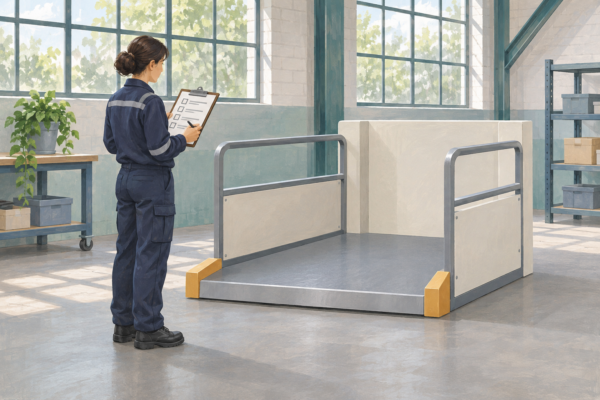
Platform Lift Factory Acceptance Checks
Before a bespoke platform lift leaves the factory, agree what to witness, record assembly and function checks, and assign any checks that depend on installation.
Learn how Sesame Access streamlines 3D model QC and the Legacy BOM process to improve efficiency and accuracy.
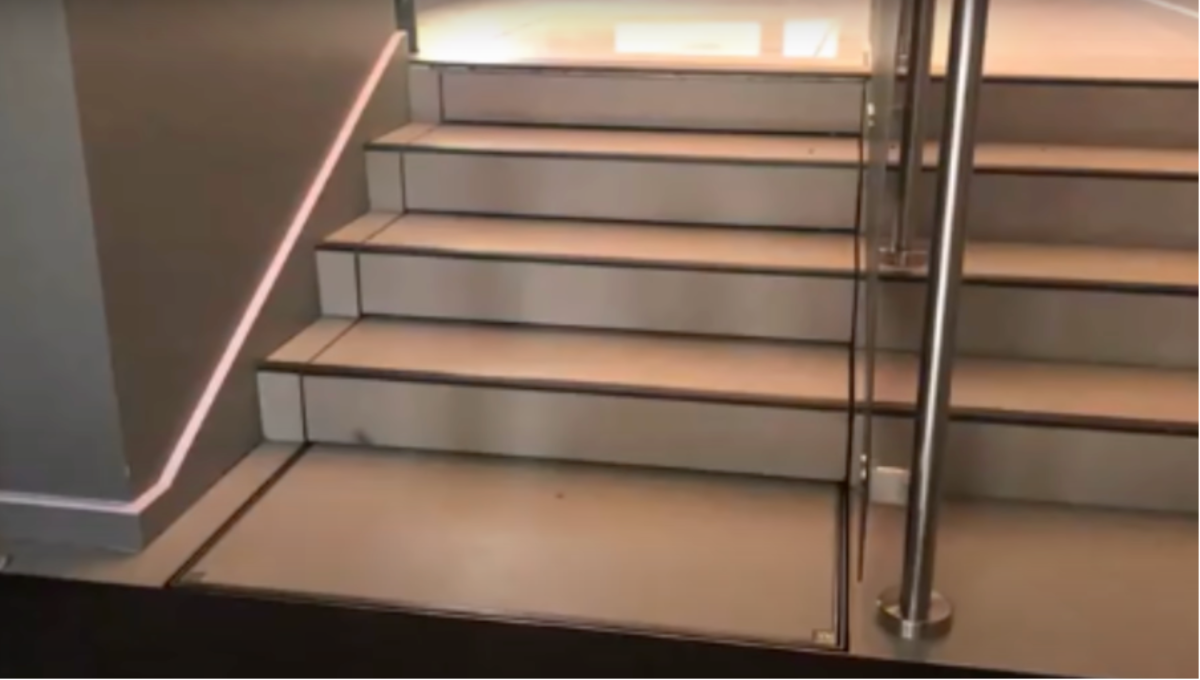
A consistent 3D model review process dramatically reduces production delays and human error in bespoke lift manufacturing.
Early creation of a Legacy BOM (Bill of Materials) enables purchasing and fabrication to progress simultaneously, saving valuable project time.
Real-time communication between design, QC, and purchasing teams ensures that design changes are captured, reviewed, and approved efficiently.
The Delay Destroyer tracking system at Sesame Access supports a culture of continuous improvement by identifying recurring issues and feeding them back into the engineering cycle.
The Legacy BOM process at Sesame Access ensures that every bespoke lift project is managed with precision, efficiency, and quality assurance. In custom accessibility engineering, accurate 3D modelling and early BOM generation are essential for avoiding costly rework and maintaining tight schedules.
This article explains how Sesame Access refines its workflow for drawing delivery, from 3D model quality control (QC) to the release of the Legacy BOM, so each project, such as the Wellington Lift or Kensington Stairlift, can move smoothly through design, manufacturing, and installation without unnecessary delays.
A well-structured 3D model QC process ensures that every lift aligns precisely with site conditions and design intent. At Sesame Access, this process involves several key steps:
Initial 3D model creation to capture architectural and mechanical interfaces.
Internal QC meeting to check fit, pit dimensions, and moving parts such as barriers and gates.
Model review and confirmation by design and project managers.
Identification of any potential design changes before the Legacy BOM is generated.
Final model approval and data handover to the purchasing team for quoting.
This approach ensures that components are fabricated correctly the first time, reducing the chance of last-minute changes or errors during production.
After the 3D model passes QC, a Legacy BOM is issued to list every component required for that lift. This process allows purchasing to start quoting and ordering immediately while detailed drawings are still being finalized.
By integrating the Legacy BOM approach, Sesame Access accelerates production timelines without sacrificing accuracy. This method complements other process enhancements discussed in related Knowledge Hub articles such as finishing BOM integration and surface treatment communication and legacy BOM collaboration process.
To continuously enhance product quality, Sesame Access uses a structured system called Delay Destroyer. This internal tool captures design or production issues, enabling engineers to review, resolve, and update future models accordingly.
The process not only tracks mistakes but also captures valuable insights that lead to permanent improvements. Lessons learned from one installation—whether involving a Regent Wheelchair Platform Stairlift or Thames Retracting Stair Lift, feed directly into the next, ensuring that innovation is continuous across every lift built.
These related resources expand on Sesame’s quality control and communication systems that underpin every custom-engineered lift.
What is the Legacy BOM process?
It’s the stage where a verified Bill of Materials is created after the 3D model QC. It enables ordering to begin while detailed drawings are still being completed, saving significant time.
How long does the 3D model review process take?
Typically, it can be completed within one to two days, depending on the lift’s complexity and the number of bespoke components involved.
What happens if parts arrive before drawings are finalized?
The Legacy BOM ensures all key dimensions and materials have already been approved, so early orders can be placed confidently without risk of incompatibility.
How does Sesame Access ensure consistent design quality?
All designs go through a defined 3D model QC checklist and regular team reviews to confirm that every component meets safety and aesthetic requirements.
Can the Legacy BOM process be used for heritage buildings?
Yes. It’s especially valuable for heritage and listed sites where bespoke design coordination is essential to maintain architectural integrity.
How does feedback from previous projects improve new designs?
Feedback is recorded in the Delay Destroyer system, ensuring issues or lessons from earlier projects directly inform updates to future designs.
What if a design change is required after QC approval?
Any change triggers a design change request. It’s logged, reviewed, and verified before implementation to protect the project’s accuracy and timeline.
To learn how the Legacy BOM process can streamline your own bespoke accessibility lift project, book a Teams meeting with one of our Project Managers:
https://www.sesameaccess.com/book-a-meeting
Before a bespoke platform lift leaves the factory, agree what to witness, record assembly and function checks, and assign any checks that depend on installation.
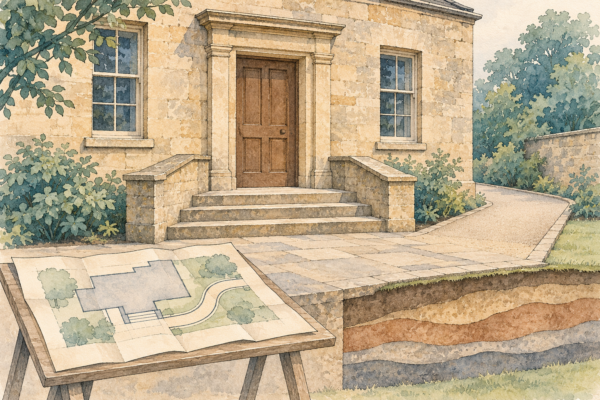
Compare a ramp, alternative entrances and a wheelchair platform lift by tracing the visitor route and mapping excavation, foundations and archaeological constraints.
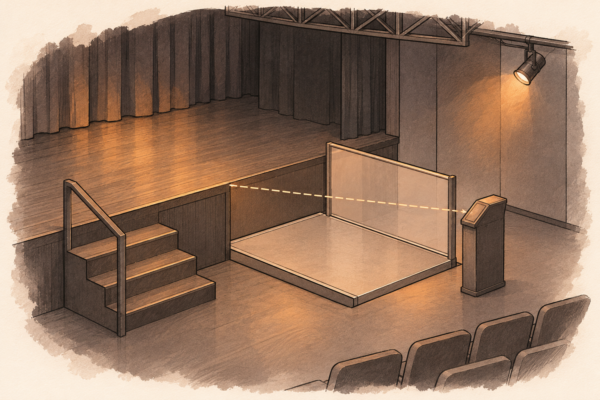
Check the stage landing, moving stair and lift clearances, and the operator’s view before settling the layout for a theatre stage platform lift.