Key Takeaways
-
Sesame Access uses early Teams meetings as feasibility and risk-reduction sessions, not sales calls
-
Complex level changes, site-specific pit depth requirements, and compliance thresholds are addressed before detailed design
-
Architects gain clarity on visually integrated, bespoke access options rather than off-the-shelf lifts
-
Heritage, listed, and multi-level sites benefit most from early digital review
Introduction
Most accessibility consultants wait until detailed design to discuss compliance. By that stage, costly structural changes are often unavoidable.
Sesame Access takes a different approach. First-contact Teams meetings are used as early-stage feasibility and risk-reduction sessions, allowing architects and consultants to test access strategies against real site constraints before designs are locked in.
These meetings are particularly effective for complex and heritage projects where existing levels, retained structure, and visual integration must be carefully balanced.
Why early Teams meetings matter for complex and heritage projects
Existing buildings rarely offer clean level changes. Multi-level site deviations, retained columns, constrained lightwells, and unknown pit depth tolerances often define what is possible long before finishes are considered.
During early Teams meetings, Sesame Access helps teams explore:
-
Site-specific pit depth requirements
-
Structural beam navigation and retained structural elements
-
British Standards thresholds such as BS6440:2011
-
Visual impact of barriers, gates, and platform finishes
This allows access to be designed as part of the architecture, rather than retrofitted later under pressure.
What happens in a Sesame Access Teams meeting
A typical first Teams meeting follows a clear, structured process:
-
Review drawings and constraints
Plans, sections, and 3D models are reviewed live to understand level changes, available footprint, and retained structure. -
Discuss compliance requirements
Key thresholds are identified early, including barrier requirements, enclosure rules, and Equality Act obligations. -
Present viable options
Bespoke solutions are discussed alongside constraints, rather than defaulting to standard products. Options may include visually integrated platform flooring or hidden short-rise lifts. -
Agree next steps
Clear actions are defined, often including site surveys, sketch options, or visual references aligned to the project’s constraints.
This structure ensures early decisions are informed rather than assumptive.
Using visual tools to reduce design risk
Visual understanding is critical when discussing access in prominent spaces. Sesame Access regularly supports Teams meetings with visual references and digital tools, including techniques outlined in the Knowledge Hub guide on 3D staircase visualisation for architects.
These tools help teams understand how platforms, barriers, and finishes interact with surrounding architecture, reducing misinterpretation later in the process.
Problem: standard platform lifts disrupt high-end spaces
Many projects begin with the assumption that an off-the-shelf platform lift is the only viable solution. In front-of-house or luxury environments, this often creates visual conflict.
Sesame Access addresses this by discussing alternatives such as:
-
Visually integrated platform flooring that reads as part of the architecture
-
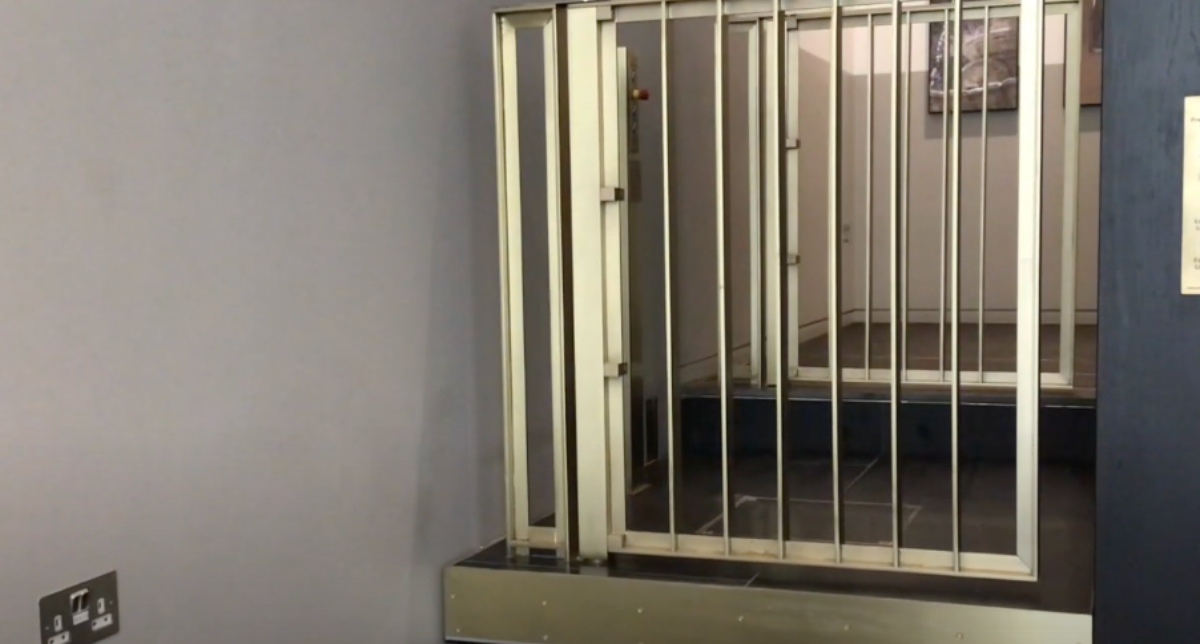
Hidden bespoke short-rise lifts with controlled barrier strategies
-
Manual or reduced-impact barrier systems where appropriate, as outlined in hidden lift options with manual barriers
This ensures accessibility solutions enhance rather than detract from the space.
Solution: bespoke access strategies aligned to structure and finish
Rather than promoting a single product, Sesame Access explores strategies aligned to real constraints. Depending on rise, pit depth, and usage, this may include:
-
Windsor Lift for bespoke platform lifts with flexible finishes
-
Westminster Equality Act Lift for higher rises requiring enclosure while maintaining visual quality
-
Mayfair Stairlift where minimal visual impact is required at lower rises
Each option is discussed in the context of compliance, maintenance, and long-term use.
Teams meetings vs. site visits: when to use each
Teams meetings and site visits serve different purposes within an access strategy.
Teams meetings are ideal when:
-
Assessing feasibility at concept or Stage 2–3
-
Reviewing complex level changes digitally
-
Comparing access strategies without committing to structure
Site visits are most effective when:
-
Confirming final pit depths and construction tolerances
-
Verifying structural assumptions
-
Preparing for manufacture or installation
In most projects, Teams meetings provide the optimal starting point before committing to site-based work.
De-risking listed and heritage buildings
Heritage projects introduce additional layers of complexity. Sesame Access Teams meetings regularly support:
-
Grade II listed building constraints
-
Retaining existing columns and façades
-
Navigating conservation requirements alongside BS6440:2011
-
Managing multi-level site deviations without excessive intervention
By addressing these risks early, teams avoid late-stage redesign and planning complications.
Frequently Asked Questions
How early should a Teams meeting take place?
Ideally at concept or early developed design, before structural assumptions are fixed.
Can Sesame support listed buildings remotely?
Yes. Many heritage constraints can be assessed digitally before site access is required.
Do Teams meetings replace access consultants?
No. They complement consultant input by focusing specifically on bespoke lift feasibility and integration.
Are cost implications discussed?
Yes. Indicative ranges and cost drivers are often outlined to support informed client discussions.
What happens after the meeting?
Clear summaries, visual references, and next steps are typically provided.
Call to Action
If you are working on a complex or heritage project and want to reduce accessibility risk early, book a Teams meeting with a Sesame Access Project Manager: