Key Takeaways
-
Bespoke wheelchair and platform lifts allow accessible entrances without compromising architecture
-
Retrofit-first engineering enables installations within existing concrete slabs using minimal pit depths
-
Sesame lifts support both assisted and independent wheelchair access via keys or fobs
-
Standing passenger and pushchair use is fully addressed through British Standards, compliant barrier systems
-
Reliable engineering, predictable servicing, and workflow coordination are critical in complex buildings
Introduction
This Knowledge Hub article was created in response to a client discussion about accessible lift solutions in complex, retrofit, and architecturally sensitive buildings. The focus was not only regulatory compliance, but how people actually experience access when entering and using a building.
Drawing on nearly 30 years of bespoke engineering experience, Sesame Access shared how wheelchair lifts can be designed to fit within existing structures, operate reliably over time, and provide independent, dignified access through primary entrances rather than secondary routes.
Why People-First Accessibility Starts at the Front Door
For wheelchair users, access is about dignity, independence, and predictability.
As discussed during the meeting:
“People in wheelchairs really want to go through the front door. They really don’t want to go around the side or around the back.”
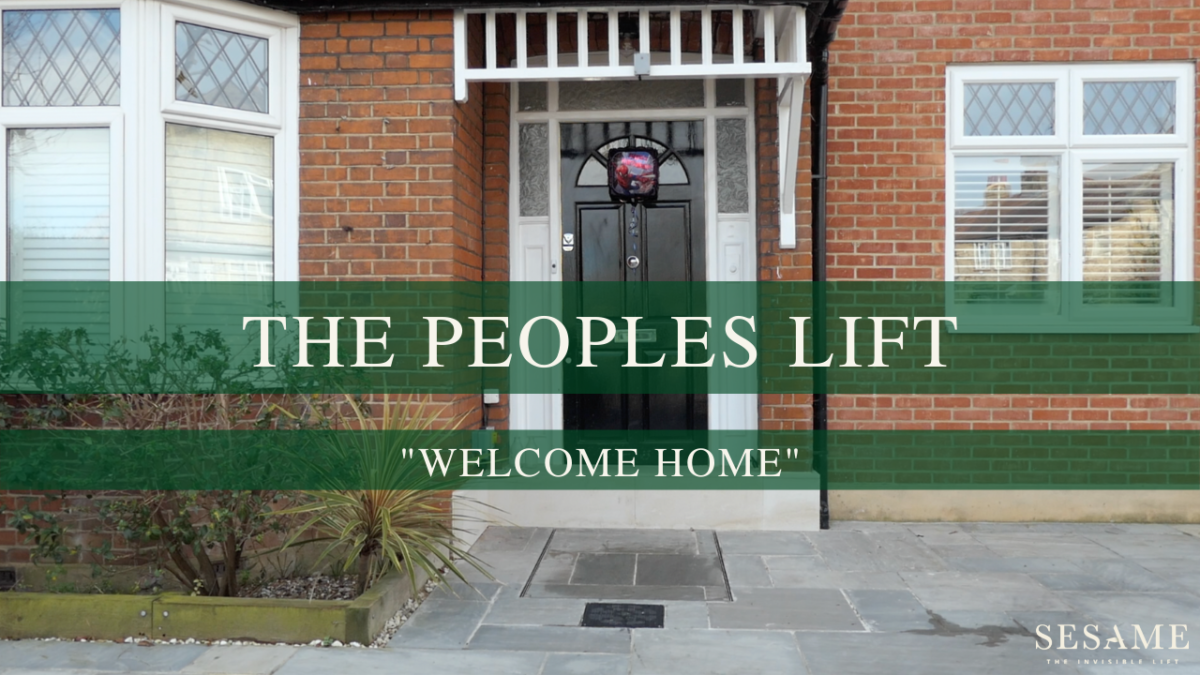
Many buildings technically meet accessibility regulations but still rely on side entrances, staff-only routes, or visually intrusive platform lifts. Bespoke solutions such as the Windsor Lift or Pimlico Lift allow wheelchair users to enter through the same route as everyone else, without altering the character of the building.
Problem: Existing Buildings Were Not Designed for Lifts
Solution: Retrofit-First Lift Engineering
Most accessibility projects involve existing buildings with fixed structural constraints. Sesame designs lifts specifically for retrofit conditions, not idealised new-build scenarios.
Typical retrofit specifications include:
-
Pit depths as low as 175mm, suitable for existing concrete slabs
-
Platform sizes starting from approximately 800 × 1000mm, adjustable per site
-
Rise ranges typically from up to 3000mm depending on configuration
-
Options to install directly onto slabs or within shallow recesses
These principles underpin systems such as the Cavendish Platform Lift and fully custom Bespoke Lift solutions.
Independent Use vs Assisted Operation
A critical but often overlooked requirement is whether wheelchair users can operate a lift independently.
Sesame lifts can be configured for:
-
Independent use via key or fob for regular users
-
Assisted operation via call-for-assistance buttons for visitors
-
Mixed-use environments where both options are required
As highlighted in the discussion:
“If this lady worked here or was a regular visitor, she would have her own key and key fob and operate the lift independently.”
This capability directly supports high-intent searches for independent wheelchair access and enables buildings to offer true equality rather than staff-dependent solutions.
Standing Passengers, Pushchairs, and British Standards Compliance
British Standards distinguish clearly between lifts under one metre of rise and lifts over one metre.
Sesame designs both categories to ensure compliance and safety:
-
Under one metre rise
-
Wheelchair-only use
-
100mm wheel stops
-
Standing passengers not permitted
-
-
Up to and over one metre rise
-
Fully enclosed or barrier-protected platforms
-
Rising barriers up to 1100mm
-
Safe for standing users and pushchairs
-
As explained during the meeting:
“To stand on the lift, it must have barriers up around it. Under a metre with only a wheel stop, standing isn’t allowed.”
This distinction allows designers to safely accommodate buggies, standing users, and wheelchair users within the same building.
Reliability as an Engineering Outcome, Not a Marketing Claim
In complex buildings, lift reliability directly affects user trust.
Sesame’s approach focuses on resolving issues at source rather than reacting to breakdowns. This is supported by workflow discipline, root-cause analysis, and trained servicing teams, as outlined in the Knowledge Hub article on workflow optimisation for lift projects.
During the discussion, reliability was framed as a design responsibility:
“When there is a breakdown, we do a deep dive. Is it design, training, or use? We resolve it at source so it doesn’t happen again.”
This philosophy is expanded further in why Sesame Access lifts are the most reliable choice for historic and complex buildings.
Product Integration Summary
| Requirement | Suitable Solution | Technical Benefit |
|---|---|---|
| Discreet heritage entrance | Buckingham-listed-building-lift | Fully retracting steps |
| Shallow pit retrofit | Jubilee-disabled-access-lift | 175mm pit depth |
| High-profile civic building | Westminster Equality Act Lift | Barrier-compliant standing use |
| Complex geometry | Bespoke Lift | Site-specific engineering |
| Multi-use floor or stage | British Library Platform Lift | Walk-over load stability |
Frequently Asked Questions
How much does a bespoke wheelchair lift cost?
Costs vary by site conditions, finishes, and rise height. Bespoke wheelchair lifts typically range from £30,000 to £280,000 installed, depending on complexity.
What is the minimum pit depth for a platform lift?
Sesame platform lifts can operate with pit depths as shallow as 175mm, making them suitable for existing concrete slabs.
Can a wheelchair lift be used independently?
Yes. Sesame lifts can be configured for independent use via keys or fobs, allowing wheelchair users to operate the lift without staff assistance.
Are Sesame lifts suitable for pushchairs and standing users?
Yes. For rises up to and over one metre, Sesame designs lifts with full-height rising barriers compliant with British Standards, making them safe for standing passengers and pushchairs.
Do bespoke lifts comply with Part M Building Regulations?
Yes. Sesame designs lifts in accordance with Part M requirements and relevant British Standards, including BS 6440:2011 where applicable.
Can lifts be installed without major structural changes?
Many installations fit within existing slabs or shallow recesses, avoiding major excavation and reducing disruption.
Suggested Call to Action
If you are planning accessibility in a complex or retrofit environment, an early technical discussion can prevent compromise later.
Book a Teams meeting with one of our Project Managers:
https://www.sesameaccess.com/book-a-meeting